
Visit Boden

Boden - the new gateway to an Arctic garden

Save to planner(0)
Please login to bookmark Close

Arctic Botanic Garden

Today Boden Turism has had a board meeting, where we, among other things, highlighted the great importance of the Arctic Botanic Garden becoming a reality for the tourism industry in Boden. The Board of Boden Turism has a broad expertise in the tourism industry and shares a common conviction that this project is important for Boden's development.

IMG
The Board of Directors of Boden Turism

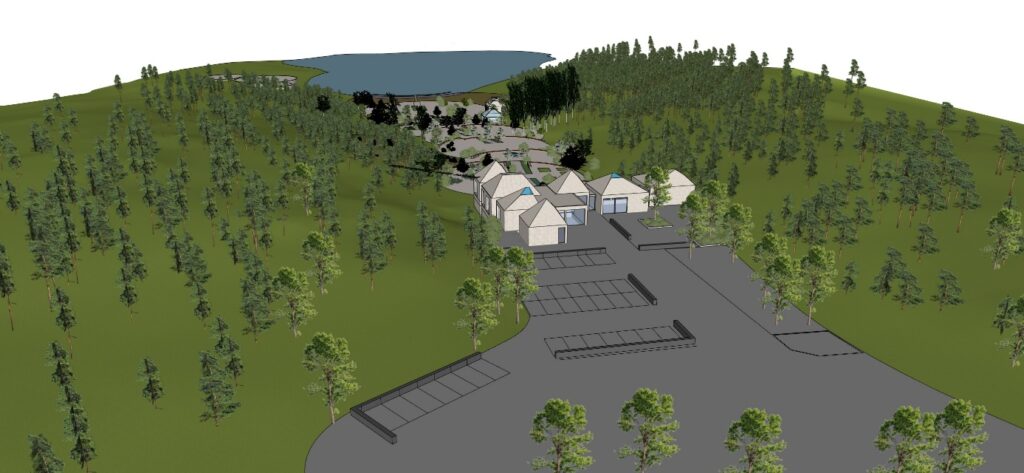
Boden could soon be home to Sweden's sixth certified botanical garden - and the only one north of Uppsala!


The Arctic Botanic Garden is an initiative that puts Boden on the map by attracting new visitors, strengthening the business community and making our city even more attractive to live in.

The project will become a unique and international visitor destination where the Arctic flora is made available to both researchers and visitors. With a focus on research, tourism and culture, a hub is created that strengthens Norrbotten and gives more reasons to discover our part of the world. This is what the board of Boden Turism says:

"As Boden's society changes, it is important that we support and enable new initiatives in the tourism industry. The Arctic Botanic Garden is a perfect complement that attracts new target groups that provide positive synergies with other industries in Boden." - Anki Granström, Chairman of the Board of Boden Turism.


"A welcome reason to visit! A botanical garden on the level of the Arctic Botanic Garden will attract guests to both Arctic Bath and other tourism businesses in Boden. The fact that it naturally also strengthens the season that has so far been the least strong, summer, is a big plus. We look forward to welcoming guests from all over the world and offering them another world-class attraction." - Klara Ranggård, CEO of Arctic Bath

"We are positive about Arctic Botanic Garden, which is an investment in a new unique knowledge-based institution aimed at a new customer segment with great potential to become an iconic international travel attraction in Norrbotten. The facility strengthens the conditions for the development of the entire tourism value chain in Harads/Svartlå and Boden as well as the whole of Norrbotten and the investment is in line with the county's designated direction in the tourism strategy 2030" - Oskar Hederyd, Strategic Partner Manager at Swedish Lapland Visitors Board


"For us, it is important that there are many and different reasons to visit the local area for our guests and creating a Norrbotten garden for both conservation and research of our biodiversity is timely as interest in the green industry is growing. " - Anna Forsman, Hotel Manager Bodensia

Photo & text: Alvina Pettersson, Boden Turism
Save for the planner
Please login to bookmark Close

Related content

Boden Tourism Day 2026

Are you already a tourism entrepreneur, curious about becoming one, or interested in developing partnerships with...

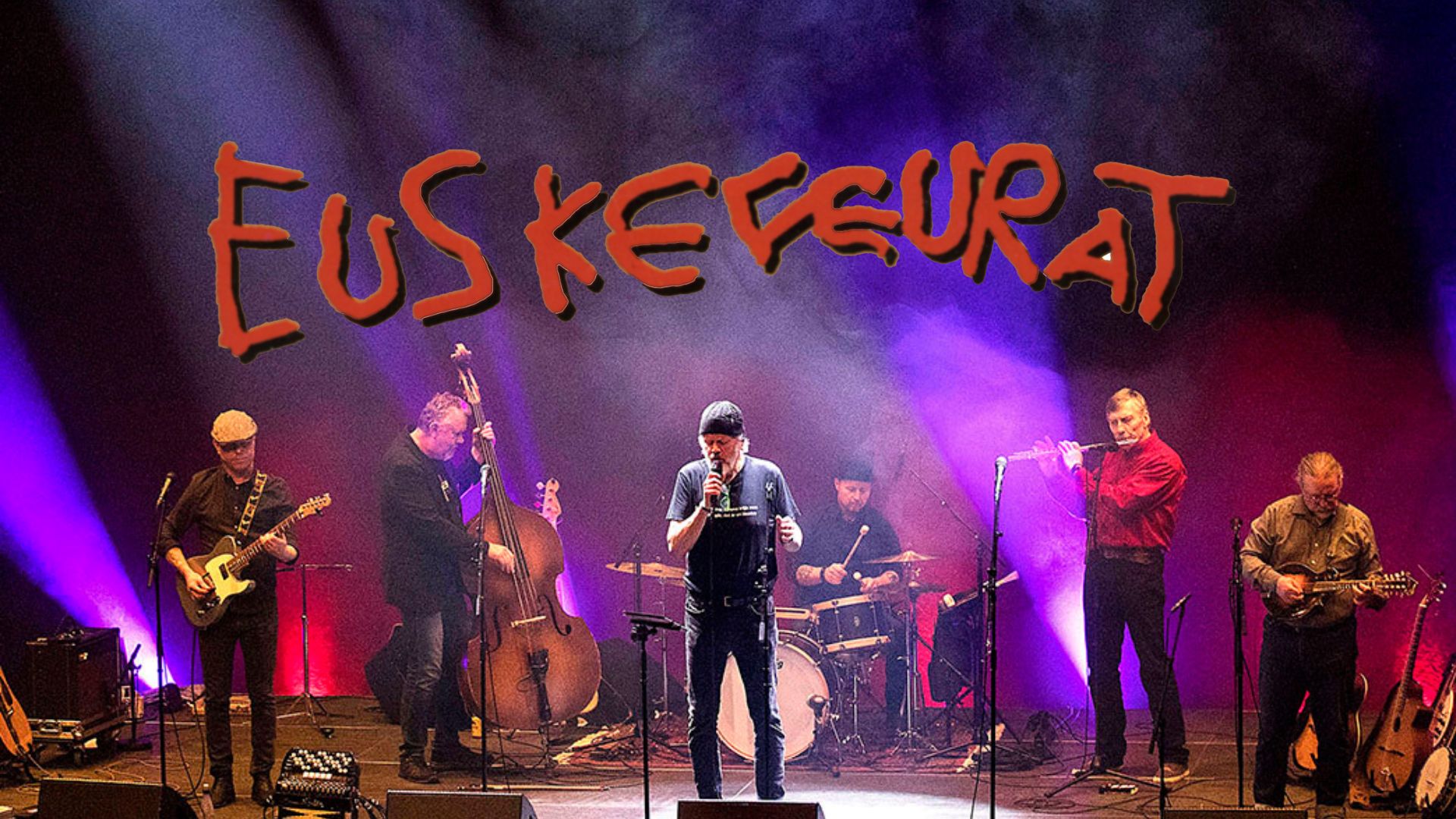
Euskefeurat to Boden – Book a hotel package at a great price

On February 20 & 21 at 7 p.m., Euskefeurat will visit Boden. Make your visit to Boden more comfortable –...

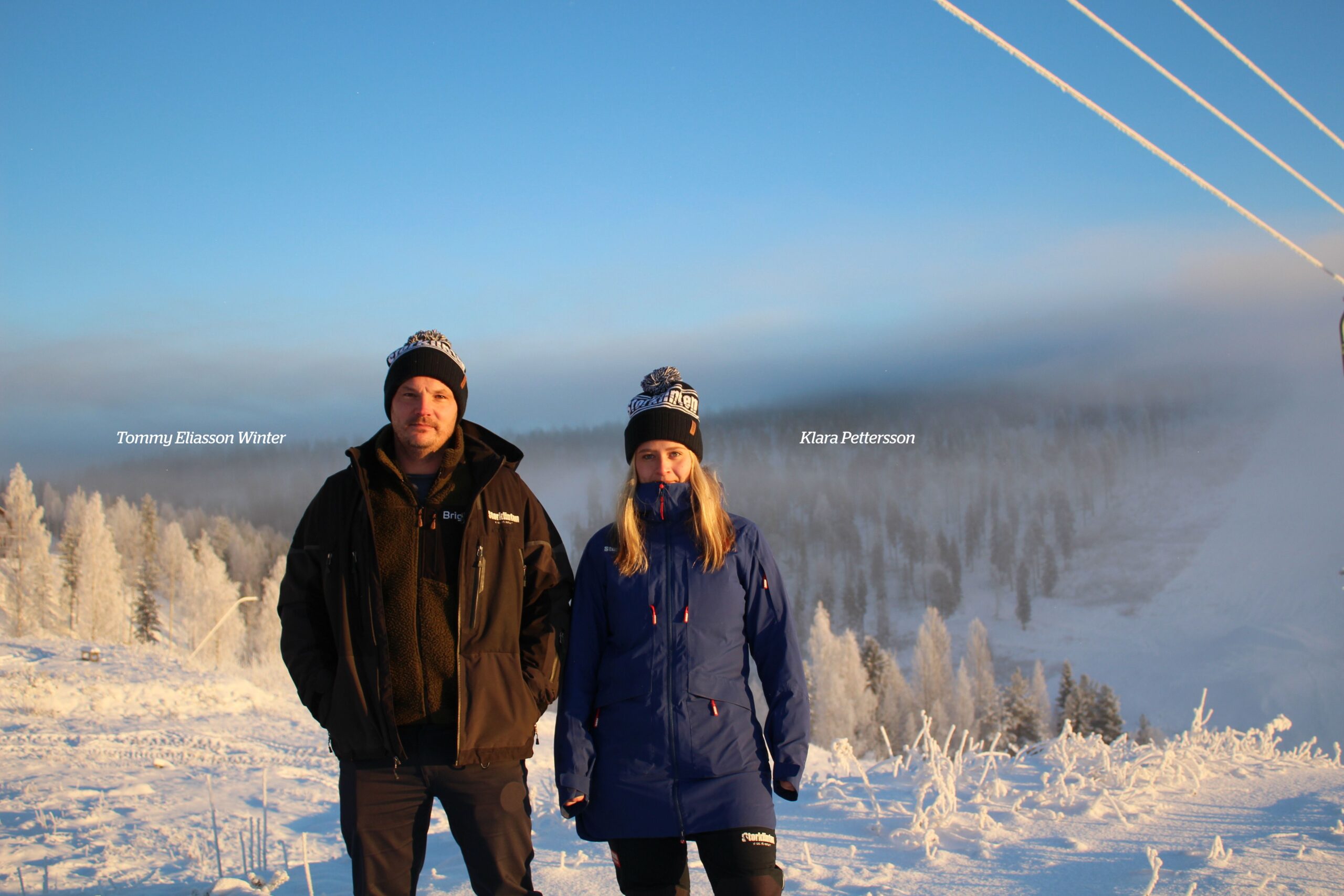
Storklinten gears up for a busy month

There is no shortage of activities in Storklinten Storklinten has a busy time ahead with...

Therefore, things like littering, destroying nature and long-term tent camps are violations of the right of public access.

Under the right of public access, you can go almost anywhere in nature, but not too close to houses. You may also spend one or two nights on someone else's land, pick flowers, berries and mushrooms as long as they are not protected, and swim, boat and paddle in waterways.

However, you are not allowed to pass over plots of land, gardens, plantations or fields with growing crops. You are also not allowed to drive motorized vehicles in the countryside, damage trees or bushes, or harm animals.

An important part of the right of public access is to always take all rubbish from the place you have visited. Litter destroys nature and risks making animals sick if they eat it. Rubbish is also boring to look at. If you find any, feel free to take other people's litter with you. Together we can ensure that the right of public access continues to function as it was intended.

The right of public access - what does it mean?

Friluftsfrämjandet protects the right of public access to preserve outdoor environments and make outdoor life possible for everyone. But why does the right of public access exist and what does it mean?

What is the right of public access?

Allemansrätten is a crucial prerequisite for outdoor recreation in Sweden. It allows us to hike, paddle and camp almost anywhere we want. Around 80% of the land in Sweden is owned by private individuals and companies, but thanks to the right of public access, we can move around on private land and roads. How amazing is that?

However, the right of public access is not only a right but also an obligation. When we spend time in nature, it is important to show consideration for nature, wildlife, landowners and other visitors.

The rules of the right of public access

The right of public access is included in the Constitution, but is technically not a law. However, it is surrounded by laws that set limits on what is allowed. The basic rule is not to disturb or destroy.

The right of public access - what does it mean?

Friluftsfrämjandet protects the right of public access to preserve outdoor environments and make outdoor life possible for everyone. But why does the right of public access exist and what does it mean?

What is the right of public access?

Allemansrätten is a crucial prerequisite for outdoor recreation in Sweden. It allows us to hike, paddle and camp almost anywhere we want. Around 80% of the land in Sweden is owned by private individuals and companies, but thanks to the right of public access, we can move around on private land and roads. How amazing is that?

However, the right of public access is not only a right but also an obligation. When we spend time in nature, it is important to show consideration for nature, wildlife, landowners and other visitors.

The rules of the right of public access

The right of public access is included in the Constitution, but is technically not a law. However, it is surrounded by laws that set limits on what is allowed. The basic rule is not to disturb or destroy.

Therefore, things like littering, destroying nature and long-term tent camps are violations of the right of public access.

Under the right of public access, you can go almost anywhere in nature, but not too close to houses. You may also spend one or two nights on someone else's land, pick flowers, berries and mushrooms as long as they are not protected, and swim, boat and paddle in waterways.

However, you are not allowed to pass over plots of land, gardens, plantations or fields with growing crops. You are also not allowed to drive motorized vehicles in the countryside, damage trees or bushes, or harm animals.

An important part of the right of public access is to always take all rubbish from the place you have visited. Litter destroys nature and risks making animals sick if they eat it. Rubbish is also boring to look at. If you find any, feel free to take other people's litter with you. Together we can ensure that the right of public access continues to function as it was intended.