

Our Arctic lifestyle
Arctic bucket list
In Boden, experiences await that only the Arctic North can offer - from silence that reaches deep into your soul to adventures that make your pulse race. Here, in the heart of Swedish Lapland, the power of nature and northern hospitality meet in a landscape that invites you to explore. After a trip here, there are some things you simply must have experienced.
The midnight sun
When summer comes to Boden, the night almost disappears. For weeks, the sun shines around the clock, creating a light that makes it difficult to distinguish evening from morning. The midnight sun changes everything - the colors, the time and the feeling of being out in nature.
In the soft, golden light, you can hike, bike, fish or just sit by the water and watch the day never end. It's a unique experience in northern Sweden, where summer offers energy, freedom and long, bright nights that feel like they never end.
The midnight sun is one of the region's most fascinating natural experiences and makes every summer day in Boden something special.
Facts about the midnight sun
- The midnight sun occurs north of 66.5° latitude (Arctic Circle).
- In some places, such as the North Cape, the midnight sun lasts for over 70 days.
- The Earth's axis is tilted by 23.5°, which means that the sun does not set in summer.
- Thanks to atmospheric refraction, the sun can be seen 1-2° above the horizon even when it is actually below.
Unique accommodation in Boden
Tree hotel
In Harads, the small village where the pine trees are dense and the river valley opens up to the north, an idea was born that would carry the village's name far out into the world. Kent and Britta Lindvall, themselves natives of Harads, wanted to create something that both celebrated the place and challenged the idea of what a hotel could look like. The result was Treehotel - a place where imagination, architecture and forest meet among the treetops.
Here, seven unique rooms float high above the ground, all created by some of Sweden's most innovative architects. One room mirrors the forest so that it almost disappears. Another resembles a large bird's nest, sheltered in the branches. A third captures the dream of space. Together they form a collection of experiences that allow the guest to step straight into something unexpected and at the same time deeply rooted in nature.
Their dining experience captures the authentic feel of the north. Enjoy local delicacies and seasonal ingredients, prepared with creative simplicity. Our chefs highlight the unique flavors of each season for a memorable experience.
Treehotels 8 rooms
- Biosphere
- Mirrorcube
- Birds nest
- The cabin
- 7th room
- UFO
- Dragon fly
- Blue cone
Arctic Bath
The Arctic Bath in Harads is an award-winning hotel that follows the shifts of the Lule River - floating in summer, frozen in ice in winter. The circular building, designed by architects Bertil Harström and Johan Kauppi, takes its character from the logs that once got stuck in the rapids during the rafting era.
The idea was born in Harads in 2010 when Per-Anders Eriksson dreamed of a floating sauna, and developed into a place that pays tribute to the forest, the river and the proud history of the village. Today, Arctic Bath is internationally recognized and the proud recipient of a MICHELIN Key - a testament to its unique holistic experience and high quality.
To visit Arctic Bath is to experience the tranquillity of nature, the heritage of the Lule River and one of Swedish Lapland's most innovative hotels.
Facts about Arctic Bath
- MICHELIN key hotels since 2025
- White Guide restaurant
- Luxury Spa: Sauna & Cold Bath Experience
Arctic Retreat
Arctic Retreat is located deep in the forest on the banks of the Råne River, where a few traditional log cabins form a small, exclusive retreat. With only three cabins, complemented by a restaurant, lounge and sauna, an intimate environment is created where each guest is given time, space and care. You can book an individual cabin - or the whole retreat for yourself. All meals are included and served by local chefs, guides and hosts who share their knowledge of life in this Arctic landscape.
Winter offers days filled with snowmobile adventures, dog sledding, skiing and guided nature tours. The evenings often end with a bonfire, a hot dip in the jacuzzi, sauna and a well-prepared three-course dinner.
When summer comes, everything changes. The snow melts and the Råne River embraces the bay, where guests who were just pimping or skiing now kayak or fish in the light of the midnight sun. From September, the northern lights return, the forest fills with berries and colors - and the retreat enters its most magical autumn season.
Arctic Retreat is the place for those seeking peace, presence and exclusive nature experiences in the heart of Swedish Lapland.
Facts about Arctic Retreat
- Natures best certification
Aurora safari Camp
Aurora Safaris invites you to a secluded and atmospheric experience in the heart of the Råne River valley. What started in 2013 as the world's first Arctic winter glamping has grown into a personal and inspiring accommodation concept, where nature and the night sky are always at the center. In 2022, the camp was relocated and redesigned by Jonas Gejke and Naila Sher, who created a new place surrounded by forest, silence and uninterrupted views of the starry sky.
Guests stay in five fully equipped and heated forest cabins - three Tipi Cabins and two Lapland Cones - linked by footpaths leading to the spacious communal dining room, Forest Sauna and the unique Sauna in the Ice. Aurora Safaris also operates The Outpost Lodge and The Floating Safari Camp, making it possible to experience the region's nature in multiple ways and in all seasons.
Hospitality is at the heart of Aurora Safaris. Jonas and Naila have long experience of safari operations and hospitality from both Kenya and Sweden, and their personal way of taking care of guests has become the hallmark of the place. Here you should feel at home from the first moment - and many return year after year, or send their friends to experience the same.
Facts about Aurora Safari Camp
- Jonas and Naila won the Grand Tourism Prize 2023
Experience the Northern Lights in Boden
The Northern Lights are born when the sun's charged particles reach the Earth's atmosphere and light up the winter sky in green, blue and sometimes red streaks. The light moves like curtains and arcs through the night, constantly changing, like a living being no one can control. In Boden's dark winter, this cosmic play becomes one of nature's most enigmatic spectacles.
And yet there is more to it than science.
According to Sami mythology, the Northern Lights should be respected. The dancing light is associated with the souls of the dead and it brings bad luck if you disturb it.
Tips for experiencing the Northern Lights in Boden municipality
Seeing the Northern Lights is one of the most powerful nature experiences in the North. Here are some practical tips to increase your chances of catching the light phenomenon during your visit to the municipality of Boden.
Best time to see the Northern Lights
The Northern Lights occur mainly between September and March when the nights are darkest.
Activity is often highest between around 22.00 and 02.00.
Clear, cloudless nights provide the best conditions.
The importance of place
To see the Northern Lights, the sky must be as dark as possible. In the municipality of Boden there are several places with minimal light pollution:
- Råne River Valley
- Harads
- Seaside, especially by the river
- Edefors
- Unbyn
Technology that helps
There are several apps that show forecasts and alerts for aurora activity, such as My Aurora Forecast and Aurora Alerts. These will help you know when the chances are highest.
Practical advice
Dress warmly, bring a hot drink and expect to wait a while. The Northern Lights are an uncontrollable natural phenomenon - but once they appear, the rewards are great.
Sauna & ice bathing
It often begins in silence. A quiet evening, the snow muffling all sound and the light from the sauna shining like a warm heartbeat in the winter darkness. Here, people have gathered for generations to warm themselves, chat for a while, or simply let their bodies rest.
When the heat envelops you and your breathing deepens, it's as if your body remembers. This is a tradition that has existed in the north for hundreds of years – a way of embracing the contrasts of nature.
The step out onto the ice always feels just as sharp. The air is clear, your cheeks sting a little from the cold. But when you sink into the icy water, something happens. Your thoughts become still, your body awakens, and you are reminded of what people up here have always known: that the extremes of nature both strengthen and heal.
In Norrbotten, saunas and ice baths are more than just activities—they are part of our way of life. A rhythm of heat and cold that helps us feel better, find focus, and feel alive. It is culture, health, and nature all in one breath.
Most of our facilities in Boden offer saunas on site!
Snowshoeing
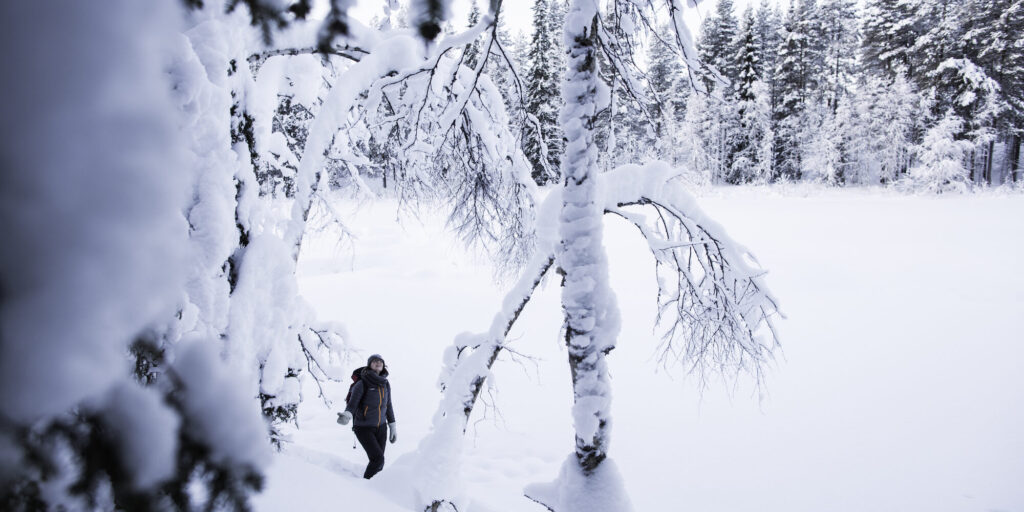
Snowshoeing in Boden is like stepping straight into a winter postcard. Your steps become muffled in the deep snow, the forest stands still and every breath feels clearer in the chilly air. Far from traffic and city lights, the landscape opens up to frost-adorned pines, sparkling fields and traces of animals that already walked before you.
dog sledding
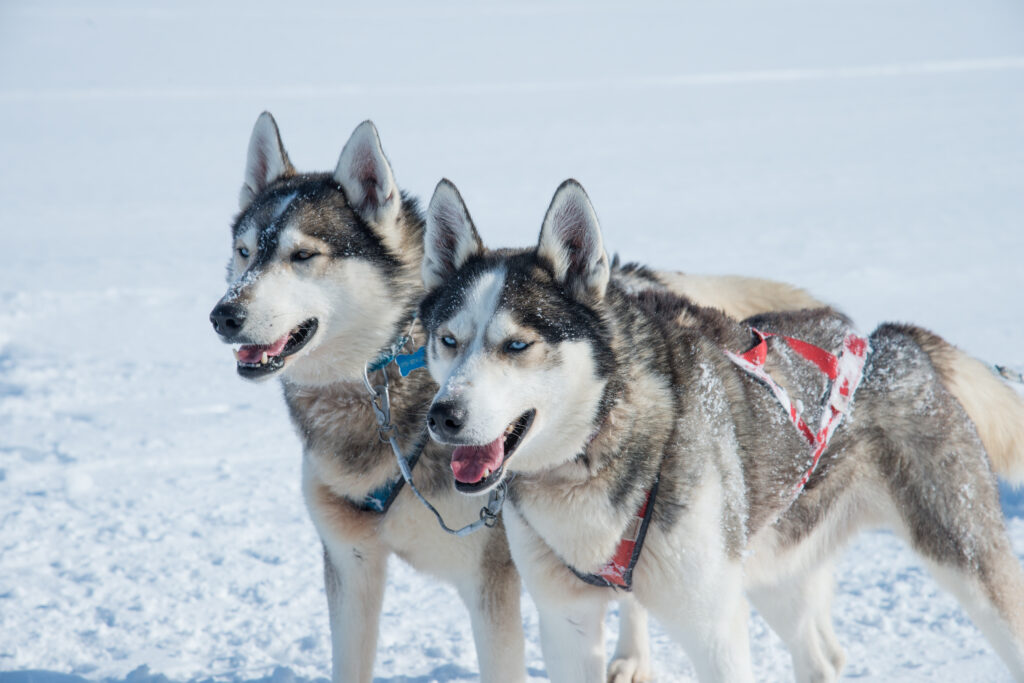
Dog sledding in Boden is one of the most popular winter adventures. With a team of eager northern dogs in front of you, you'll glide silently through forests and across snow-covered plains. The guide leads the tour and ensures that both the pace and the route suit the group, making the activity suitable for families and beginners alike.
The dog sledding tours provide an up-close experience of nature where the power of the dogs and the tranquil winter landscape are in focus. A simple and memorable way to discover Boden's winter.
Sleigh ride with horse
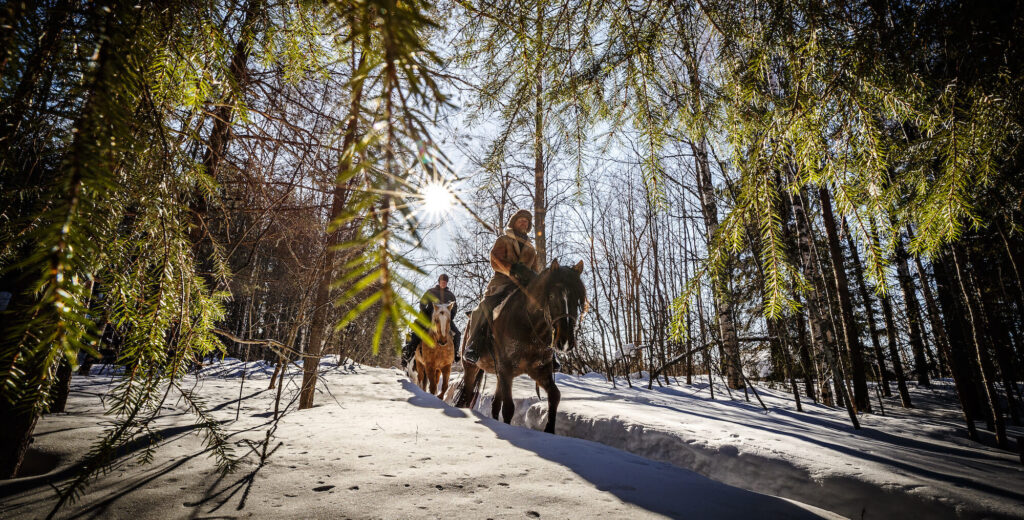
A horse-drawn sleigh ride in Boden is a quiet winter adventure where nature and the seasons speak. Under blankets and with bells ringing, you'll follow the rhythm of the horse through snow-covered forests and open winter fields. It's a traditional way to experience the landscape - simple, atmospheric and perfect for families and couples alike. A tour that captures the feeling of winter in Swedish Lapland.
Snowmobile tour
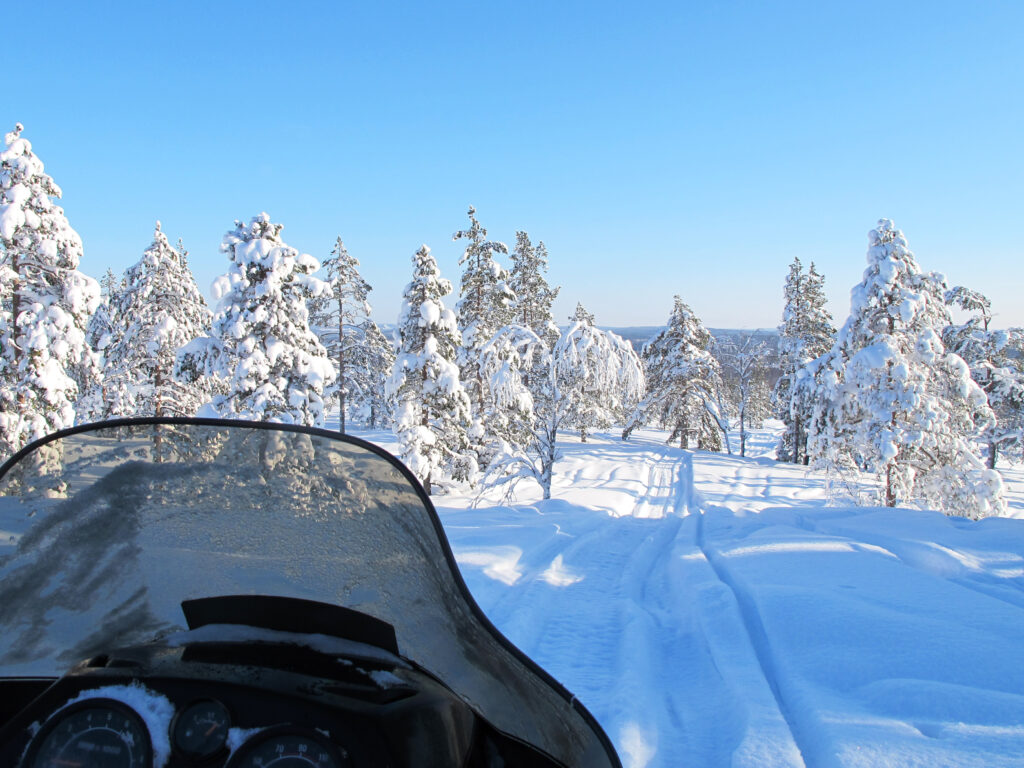
A snowmobile tour in Boden takes you straight into the winter landscape, where the roads end and the open spaces begin. With an experienced guide, you'll drive through forests, over frozen lakes and along trails that open up views you wouldn't otherwise reach. It's a fast-paced but accessible adventure suitable for beginners and experienced riders alike. An easy way to experience the power and freedom of the Arctic nature.
Ice fishing
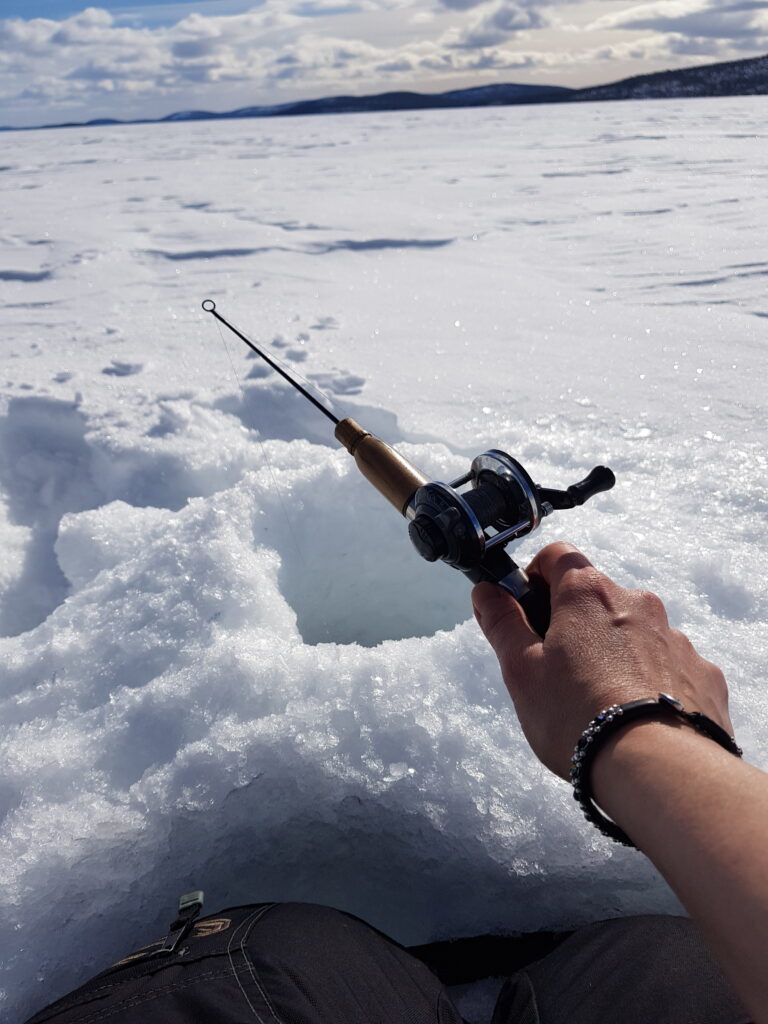
Ice fishing in Boden is a quiet winter activity where nature takes center stage. When the lakes freeze over, the ice opens up for fishing trips suitable for both beginners and experienced anglers. With a drill, a pole and warm clothes, you can sit down at a freshly drilled hole and wait for the bait in the bright winter light.
Sami cultural experience
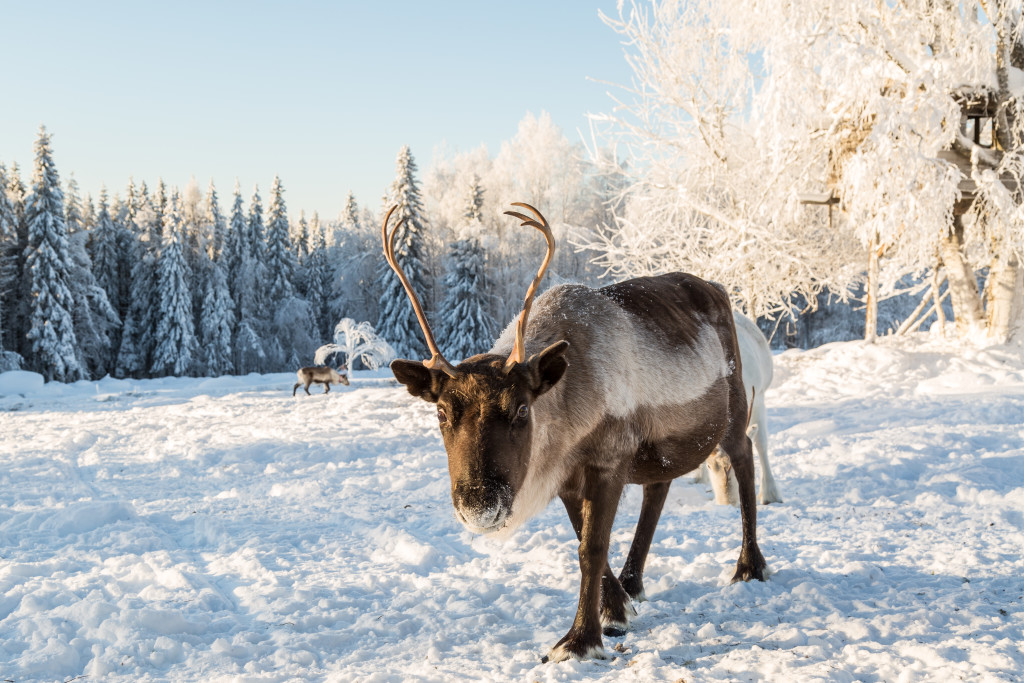
Just about an hour's drive from Boden, you can pay a memorable visit to the forest Sami Lars in Gorgiim, Råne Älvdal. Meet the reindeer, listen to Lars Eriksson's life wisdom and Sami stories at the campfire, and above all, feel the peace.
The Sámi are an indigenous people with their own culture, language and traditions. Boden is part of Sápmi, the Sámi cultural and linguistic area, where the Sámi have lived for thousands of years. When you visit the area, you will therefore encounter not just a place, but a living culture that existed here long before the current social boundaries.
Along the way to Årstidsfolket in Gorgiim, Flakaberg, you cross the border between past and present. Old-growth forest meets newly felled clearings and the old forest Sami myths and traditions meet Swedish society.