
An engine for sustainable development of society
The tourism industry in Boden has undergone a remarkable transformation over the past fifteen years. From previously being associated mainly with a clean campsite, water parks, forts and a few major destinations, Boden today boasts several internationally renowned and award-winning places in culture, food, architecture and experiences. This rapid development has not only strengthened the destination's identity - it has also shown that its potential is far from exhausted. The industry believes that we have only seen the beginning of what Boden can become.
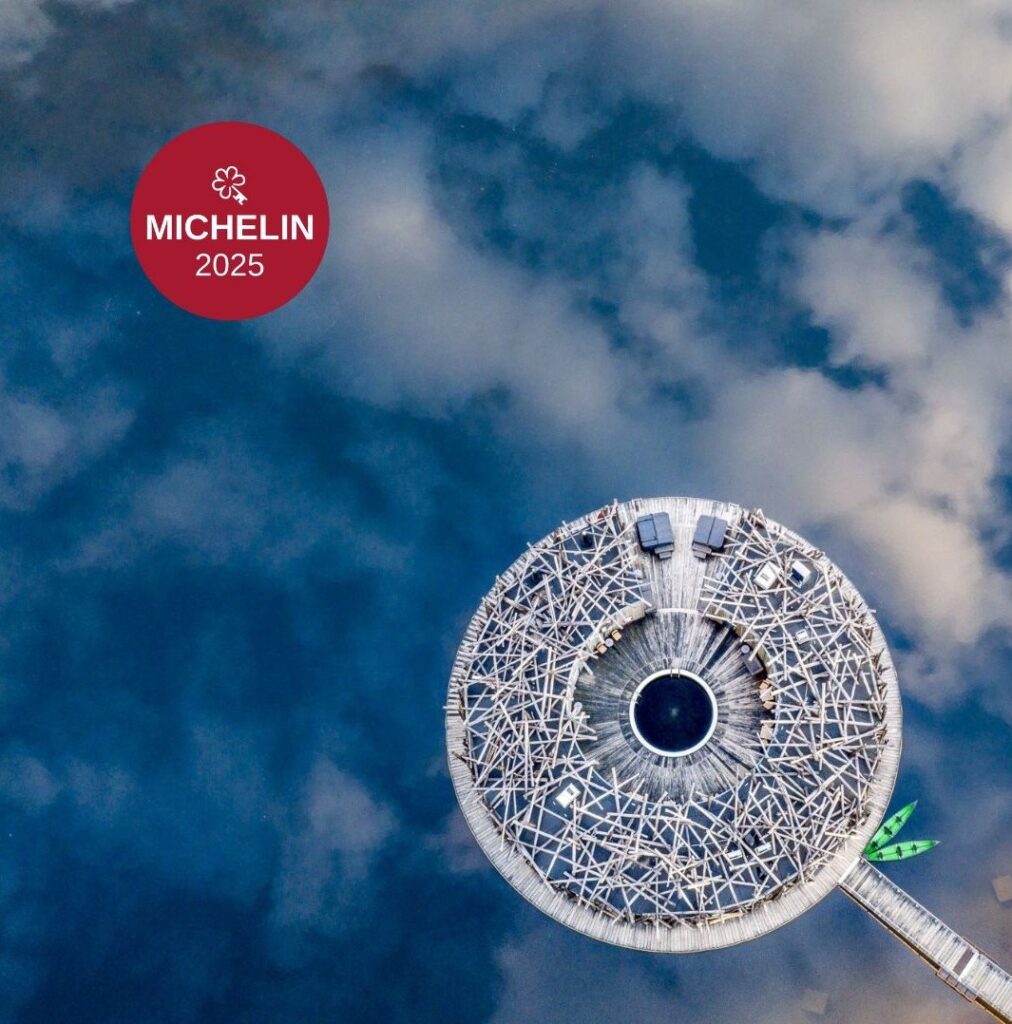
Arctic Bath: Michelin key 2025
The tourism industry has thus emerged as a clear driver of the municipality's sustainable social development. By combining environmental responsibility, social inclusion and circular value creation, the industry shows how tourism can play a central role in the green transition while contributing to viable rural areas. In Boden, we are also investing in a small-scale, genuine and personalized tourism industry - one that builds relationships, trust and long-term values. At the same time, our larger facilities, such as Western Farm, First Camp, Boden Travet and Nordpoolen, continue to be important as they receive larger volumes and reach wider target groups. The combination of small-scale and large-scale is one of Boden's greatest strengths.
Environment: Tourism driving the green transition
In Boden, sustainability is already an integral part of everyday life in the tourism industry. Companies in accommodation and nature experiences work purposefully with energy efficiency, local raw materials and experiences based on nature's renewable values. Through reuse, reduced waste and smart resource management, circular flows are created that both reduce climate impact and strengthen companies' long-term competitiveness.
Nature-based tourism, which is one of Boden's main assets, also creates clear incentives to protect land, water and biodiversity. By highlighting the qualities of nature while protecting them, the industry contributes to the sustainable use of the municipality's unique environments - both now and in the future.
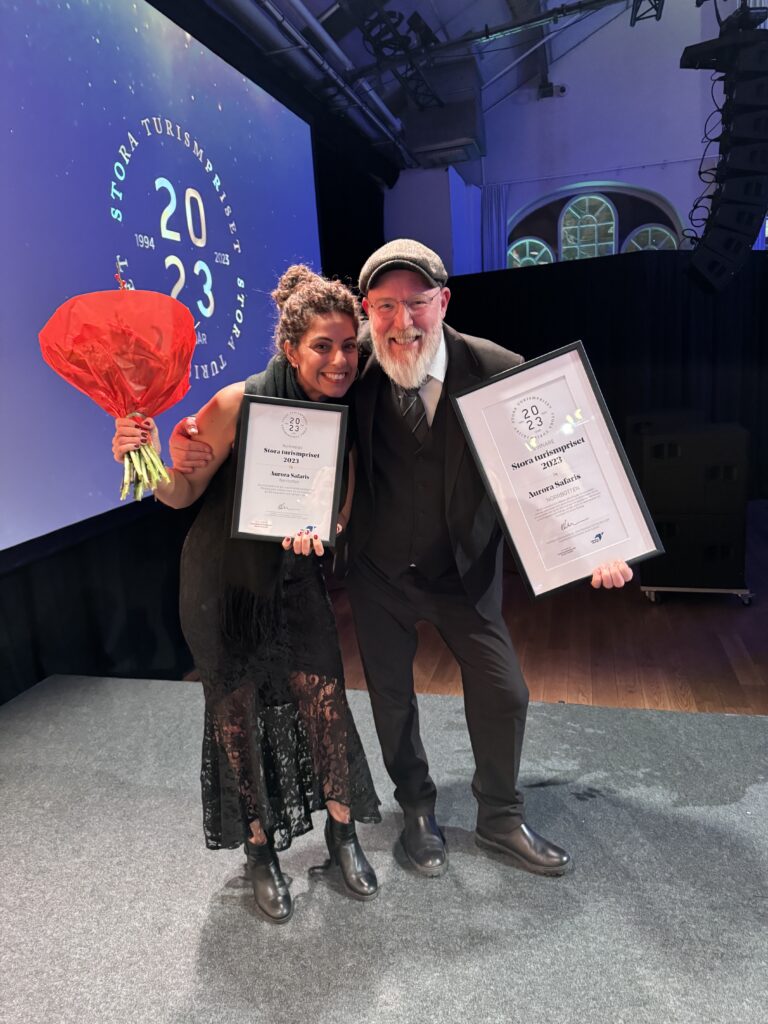
Photo: Grand Tourism Prize, Aurora safari camp Jonas Gejke & Naila Sher
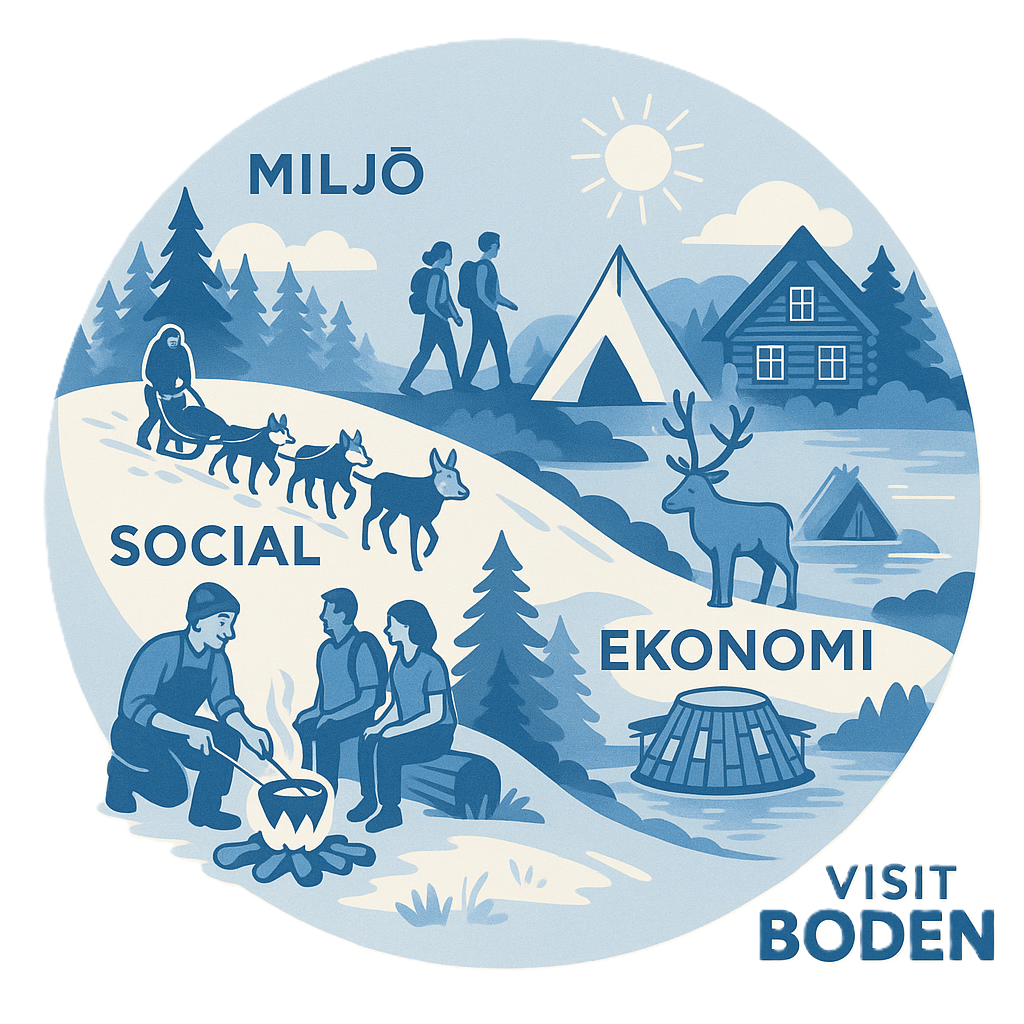
Social: Tourism building communities and creating confidence
Today, the tourism industry in Boden plays an important role as a force for social development. It creates jobs, broadens skills and opens doors for young, newly arrived entrepreneurs and career changers. Businesses work closely with associations, education providers and the municipality, which strengthens the local community and creates a sense of community and rich everyday life.
The effects are particularly evident in the Gunnarsby area and Edeforsbygden. Here, tourism has attracted visitors from all over the world, people who fall in love with the place and come back - and who often choose to stay permanently. Many start businesses, raise families and become part of the local community. Children start school, the school bus runs more often and the general store gets more customers both through school meals and everyday purchases. This is concrete evidence of how tourism creates inward migration, local services and a positive spiral of social sustainability throughout Boden.
Economy: Local circular growth in practice
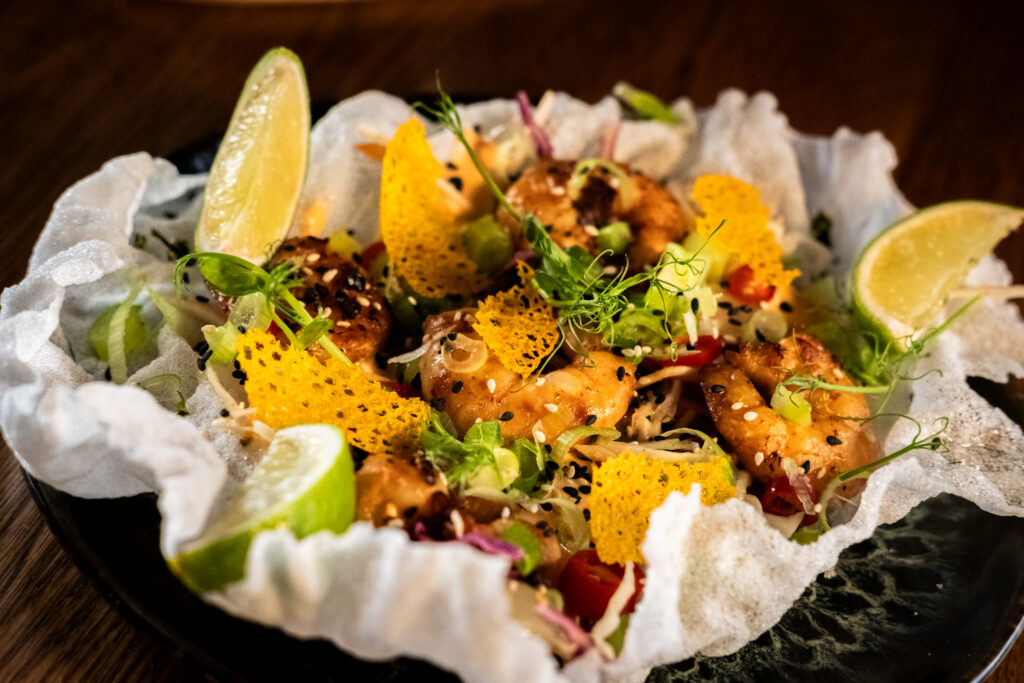
DG11 Whiteguide 2024
The tourism industry in Boden is a stable and growing part of the local economy. It generates income in accommodation, restaurants, shops, activities and trade - but above all, it creates a local economy where values circulate and reinforce each other.
This is particularly evident in rural areas. Tourism businesses shop at rural stores, hire local guides, artisans, transporters and other small entrepreneurs, and organize shared transport and transfers. Many of those living and working in these areas are multi-faceted entrepreneurs who switch between different roles depending on the season and demand. This creates a flexible and resilient economy where income and jobs are spread across multiple actors, strengthening the whole community.
This is the circular economy in action - a local circle of value where money, skills and resources stay in the area and build long-term stability.
Shaping a sustainable Boden here and now!
The tourism industry in Boden is not just a sector that offers experiences. It is a community builder. By combining environmental concerns, social inclusion and local circular growth, the industry contributes to shaping a more modern, stronger and sustainable Boden.
It is about creating viable places, confidence in the future of rural areas, new opportunities for people to live and work - and at the same time driving the green transition forward.
Boden's hospitality industry shows in practice how tourism can be a key part of the solution to the societal challenges of the future - and how the journey has only just begun.
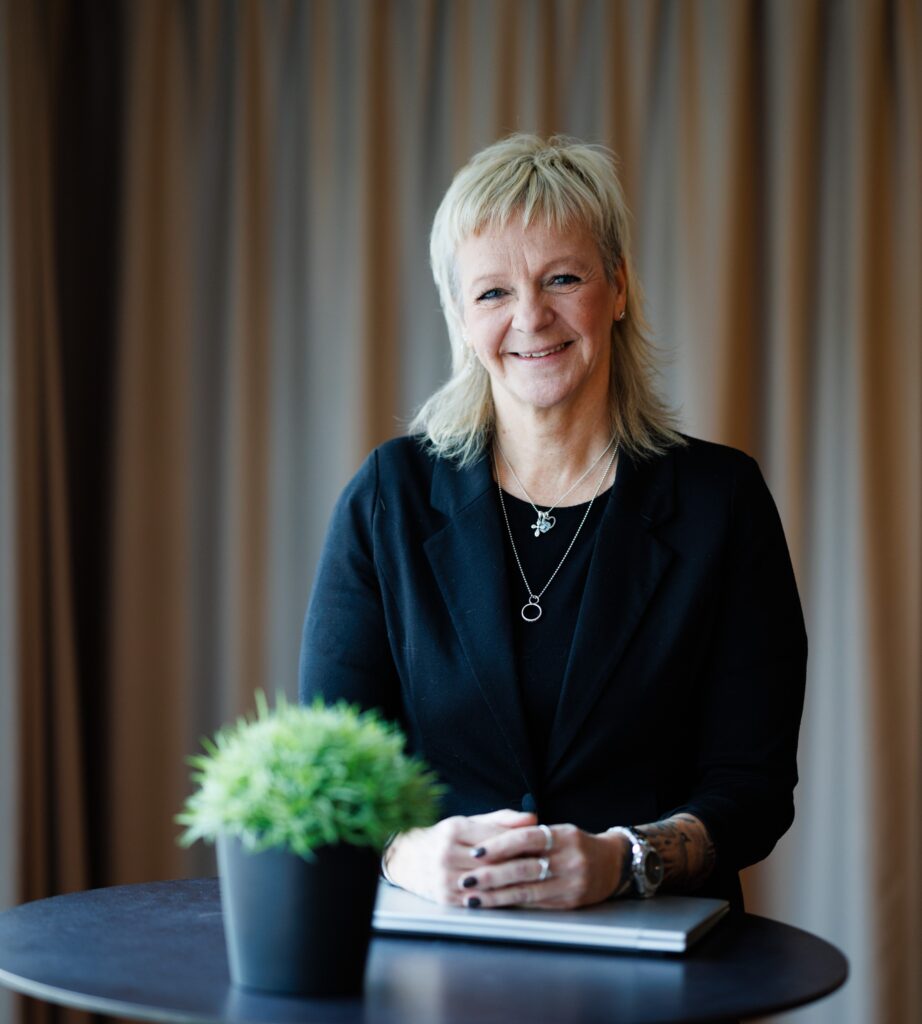
Text & photos: Anki Granström, Chairman Boden Turism