
Visit Boden

More hotel beds on the way - Boden is investing in the future with confidence and growth

Save to planner(0)
Please login to bookmark Close

An important announcement has been made: the hotel plans at Brännastrand can now take the next step. This is not just a construction project, it is an investment in the future of the whole of Boden. New hotel beds are crucial to meet the increasing demand from both visitors and businesses, and mean new jobs, more guests and increased life in the center.
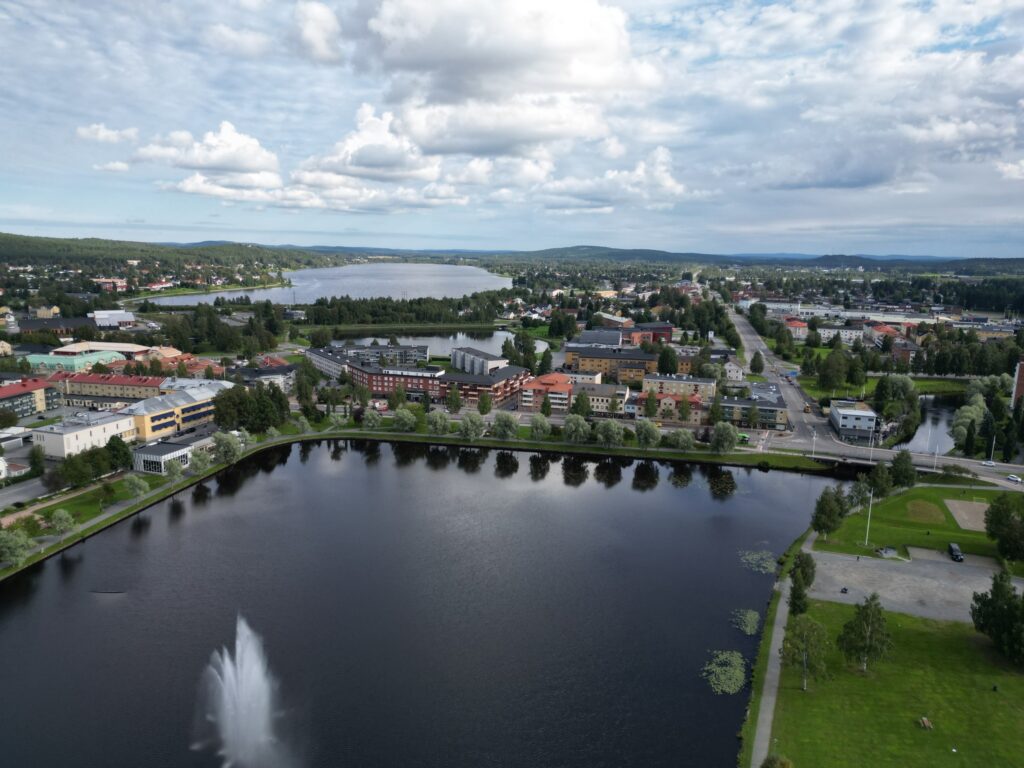
burnt beach

Stronger Boden - for people, meetings and opportunities

Boden has long lacked sufficient hotel capacity to fully meet the pressures of tourism, events and business travel. Now a new opportunity is opening up to create modern and attractive accommodation right in the heart of the city.

It means more than just beds - it is an injection into the whole local ecosystem:

- Restaurants and cafés

- Trade and transport sector 

- Event organizers and businesses

- Residents who want a vibrant and attractive city center

"This is very good news for the whole of Boden. More visitors mean more life and movement, more customers and better opportunities for new establishments. We now hope for a quick and smooth process. This is a clear signal of confidence in the future. Boden is ready to grow, welcome more people and develop for the future." says Anki Granström, Chairman of the Board of Boden Turism ekonomisk förening.

Boden is building for the future

The hotel project at Brännastrand is a symbol of a city on the move. It shows that Boden dares to invest in what makes the place attractive: good service, strong business and genuine hospitality. The tourism industry plays a central role in this development and more hotel beds are the key to taking the next step.

Text: Anki Granström

Photo: Anders Lulle Lundström, Boden
 

Save for the planner
Please login to bookmark Close

Related content

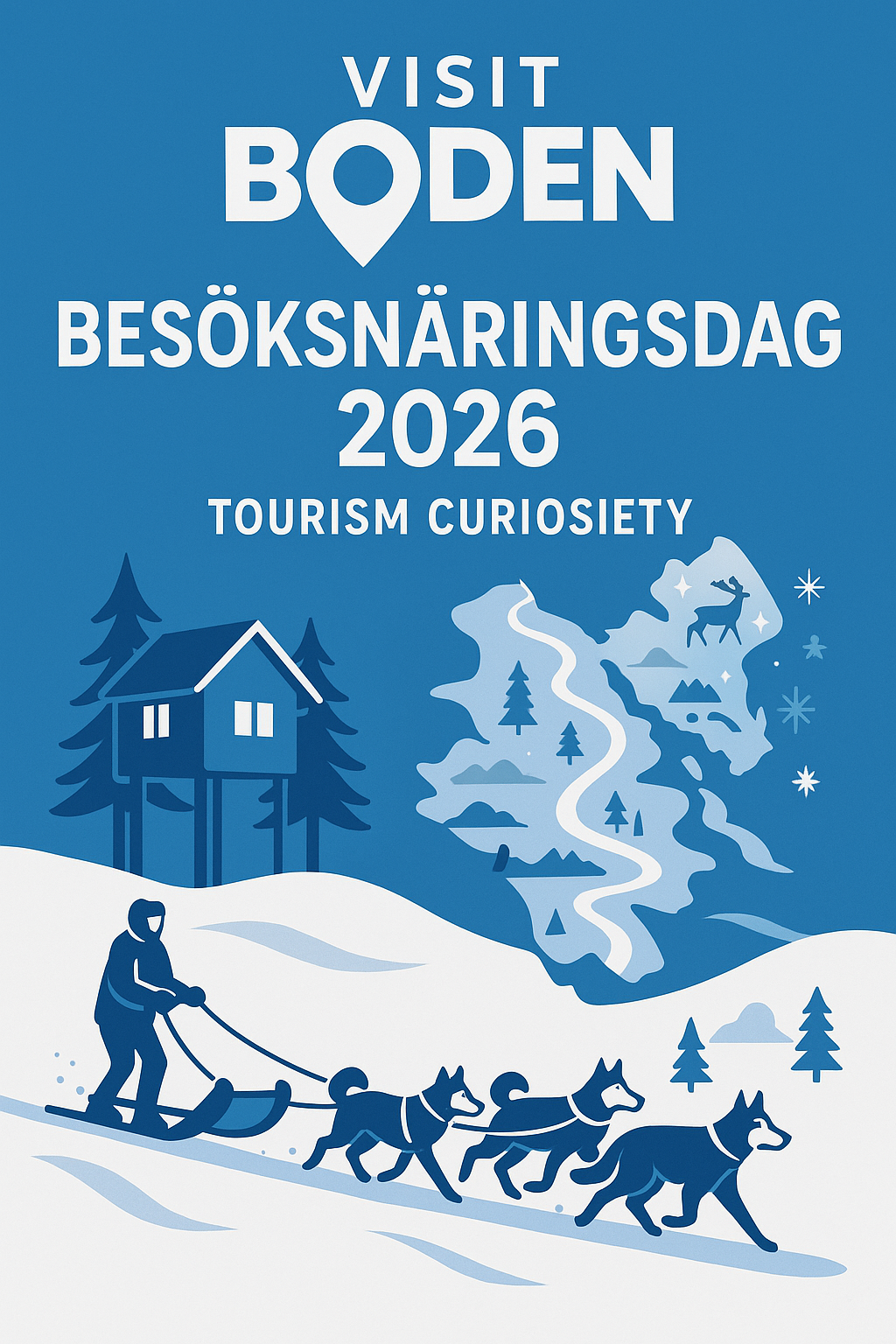
Boden Tourism Day 2026

Are you already a tourism entrepreneur, curious about becoming one, or interested in developing partnerships with...

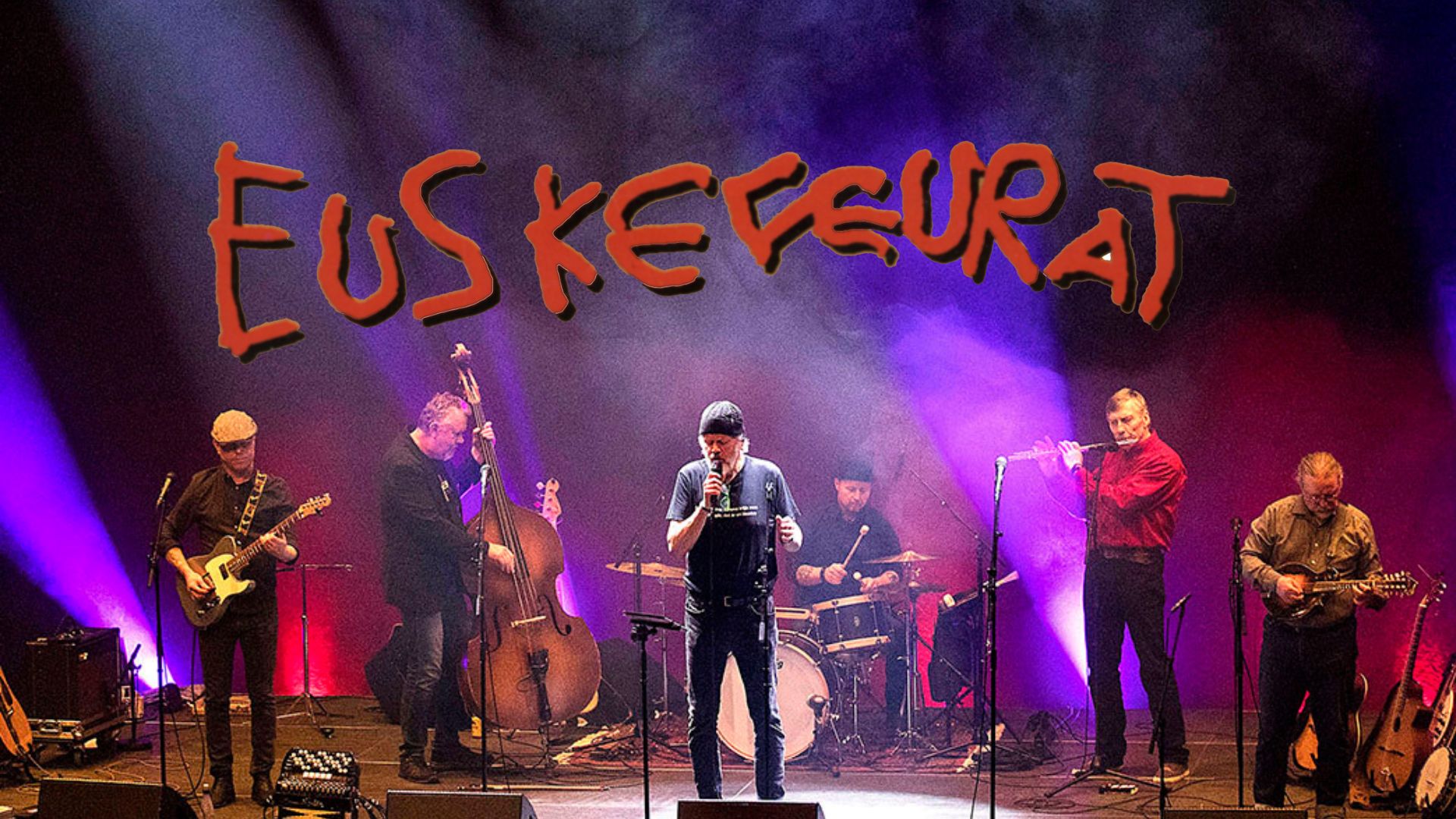
Euskefeurat to Boden – Book a hotel package at a great price

On February 20 & 21 at 7 p.m., Euskefeurat will visit Boden. Make your visit to Boden more comfortable –...

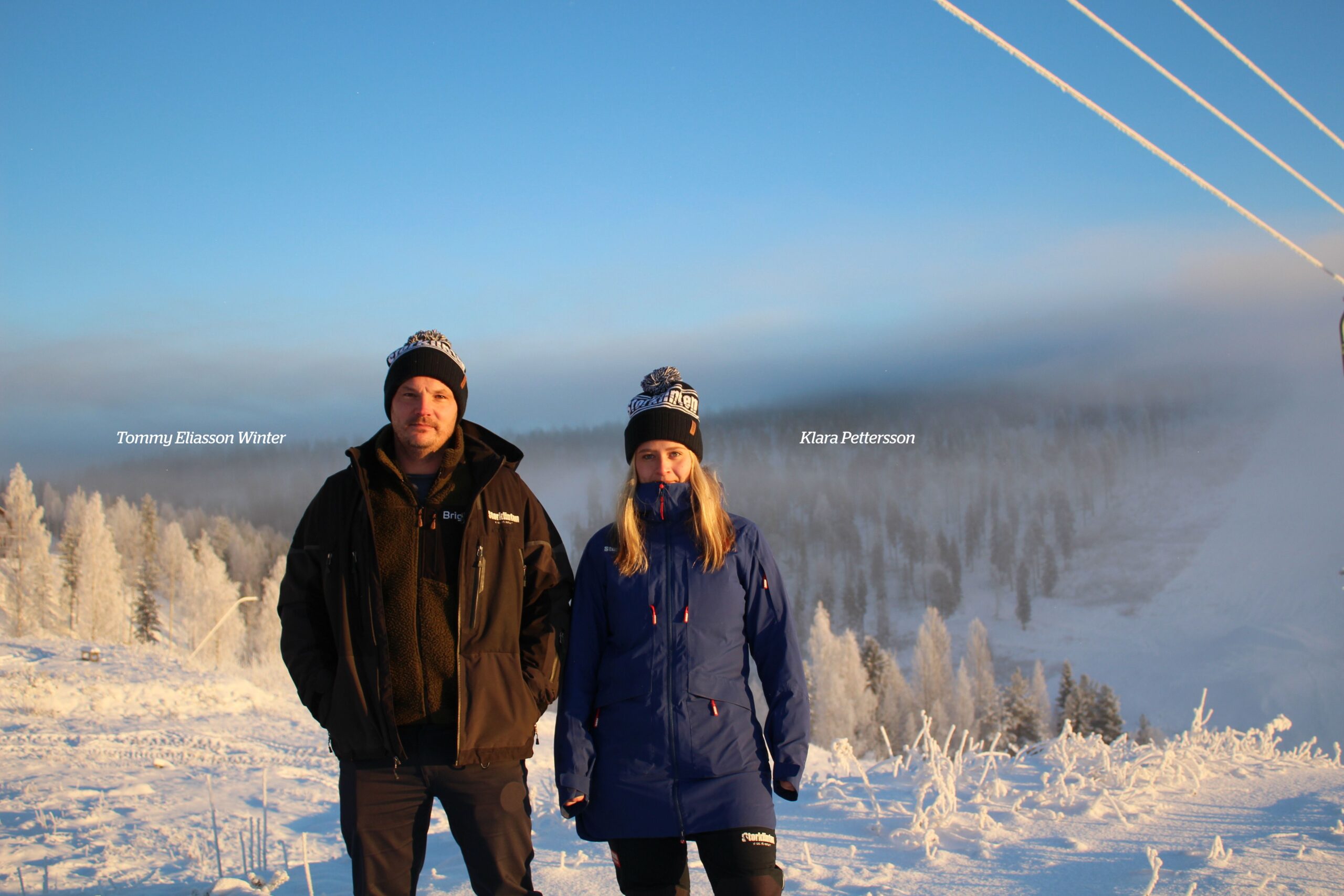
Storklinten gears up for a busy month

There is no shortage of activities in Storklinten Storklinten has a busy time ahead with...

Therefore, things like littering, destroying nature and long-term tent camps are violations of the right of public access.

Under the right of public access, you can go almost anywhere in nature, but not too close to houses. You may also spend one or two nights on someone else's land, pick flowers, berries and mushrooms as long as they are not protected, and swim, boat and paddle in waterways.

However, you are not allowed to pass over plots of land, gardens, plantations or fields with growing crops. You are also not allowed to drive motorized vehicles in the countryside, damage trees or bushes, or harm animals.

An important part of the right of public access is to always take all rubbish from the place you have visited. Litter destroys nature and risks making animals sick if they eat it. Rubbish is also boring to look at. If you find any, feel free to take other people's litter with you. Together we can ensure that the right of public access continues to function as it was intended.

The right of public access - what does it mean?

Friluftsfrämjandet protects the right of public access to preserve outdoor environments and make outdoor life possible for everyone. But why does the right of public access exist and what does it mean?

What is the right of public access?

Allemansrätten is a crucial prerequisite for outdoor recreation in Sweden. It allows us to hike, paddle and camp almost anywhere we want. Around 80% of the land in Sweden is owned by private individuals and companies, but thanks to the right of public access, we can move around on private land and roads. How amazing is that?

However, the right of public access is not only a right but also an obligation. When we spend time in nature, it is important to show consideration for nature, wildlife, landowners and other visitors.

The rules of the right of public access

The right of public access is included in the Constitution, but is technically not a law. However, it is surrounded by laws that set limits on what is allowed. The basic rule is not to disturb or destroy.

The right of public access - what does it mean?

Friluftsfrämjandet protects the right of public access to preserve outdoor environments and make outdoor life possible for everyone. But why does the right of public access exist and what does it mean?

What is the right of public access?

Allemansrätten is a crucial prerequisite for outdoor recreation in Sweden. It allows us to hike, paddle and camp almost anywhere we want. Around 80% of the land in Sweden is owned by private individuals and companies, but thanks to the right of public access, we can move around on private land and roads. How amazing is that?

However, the right of public access is not only a right but also an obligation. When we spend time in nature, it is important to show consideration for nature, wildlife, landowners and other visitors.

The rules of the right of public access

The right of public access is included in the Constitution, but is technically not a law. However, it is surrounded by laws that set limits on what is allowed. The basic rule is not to disturb or destroy.

Therefore, things like littering, destroying nature and long-term tent camps are violations of the right of public access.

Under the right of public access, you can go almost anywhere in nature, but not too close to houses. You may also spend one or two nights on someone else's land, pick flowers, berries and mushrooms as long as they are not protected, and swim, boat and paddle in waterways.

However, you are not allowed to pass over plots of land, gardens, plantations or fields with growing crops. You are also not allowed to drive motorized vehicles in the countryside, damage trees or bushes, or harm animals.

An important part of the right of public access is to always take all rubbish from the place you have visited. Litter destroys nature and risks making animals sick if they eat it. Rubbish is also boring to look at. If you find any, feel free to take other people's litter with you. Together we can ensure that the right of public access continues to function as it was intended.