
Visit Boden

New training in the hospitality industry

Save to planner(0)
Please login to bookmark Close

Become a professional guide in the Arctic

There is now the chance to take a brand new course for those who want to work professionally as a guide in the Arctic environment. The six-month training starts in November 2025 and the deadline for applications is October 13.
Great need for Arctic guides

After several years of work by industry players - including Robert Westin and Fredrik Broman - the training is now becoming a reality. The tourism industry in northern Sweden has long been asking for more guides with the right skills, especially for international visitors.

- "Those who take this course get to experience first-hand all the things that international guests pay a lot of money for. At the same time, they gain practical skills that can lead directly to jobs." says Lina Ekström Morin, Business Developer at Almost There and Peetgården.

A broad and practical education

The training provides both theoretical knowledge and practical experience. Among the contents are:

  • Snowmobile
  • Ice fishing
  • Snowshoe hiking
  • Ecology and climate
  • Risk management in the Arctic environment
  • Sami cultural heritage
  • World-class hospitality and service

It also covers business development and product development - how to build, sell and package experiences for different audiences. The training will be held in English, as it is the natural language of the industry.

"This training is incredibly important for the tourism industry in both Boden and Norrbotten. Right now there is a great need for more guides in the area, and this initiative really increases the chance that more people will get the right skills. I myself have completed a vocational training program, and when you get so much practical experience during your studies, you become very attractive on the labor market. In addition, it is fantastic that one of our member entrepreneurs, Robert Westin, is the course leader - it can only be good!

So if you feel this training could be for you - apply! Your skills will really be needed in the future." - Alvina Pettersson, Business Developer at Visit Boden
boden tourism mission agreement
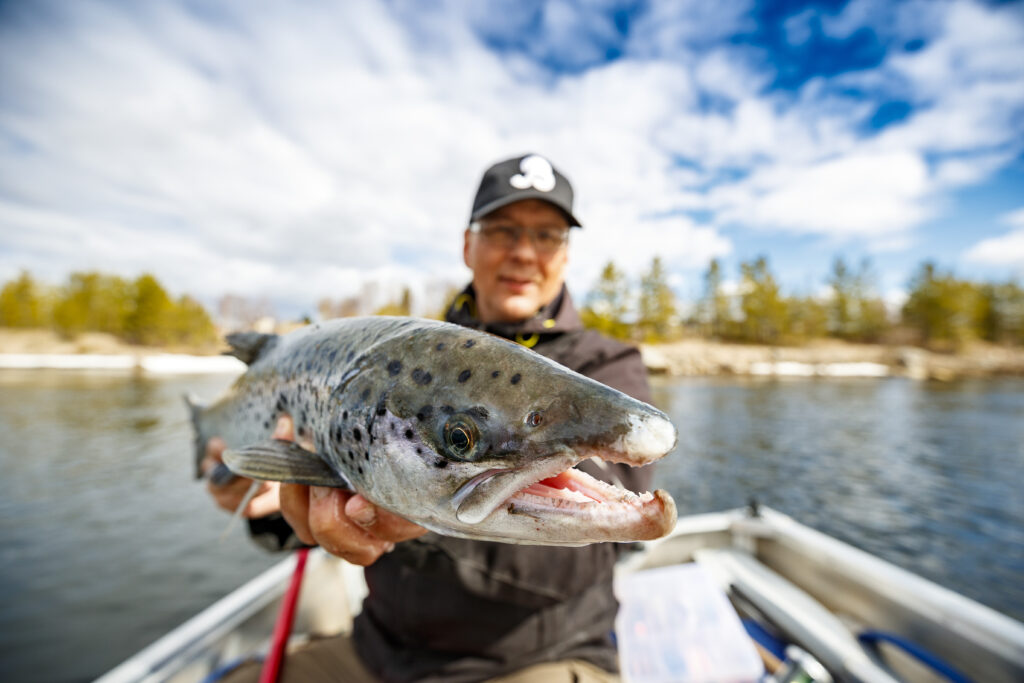
Robert Westin - Arctic Adventure.

Connecting with local businesses

There will be two on-site sessions in Norrbotten, approximately one week each, allowing participants to connect with local businesses and gain practical experience. The course leader for the training will be Robert Westin owner of the company Arctic Adventure and an experienced guide.

Fast track to the industry

The training is CSN-eligible and lasts six months. The aim is for participants to be able to start working as guides immediately after graduation. read more about the training and apply here: https://almosteducations.se/

Text: Alvina Pettersson, Boden Turism
 

Save for the planner
Please login to bookmark Close

Related content

Boden Tourism Day 2026

Are you already a tourism entrepreneur, curious about becoming one, or interested in developing partnerships with...

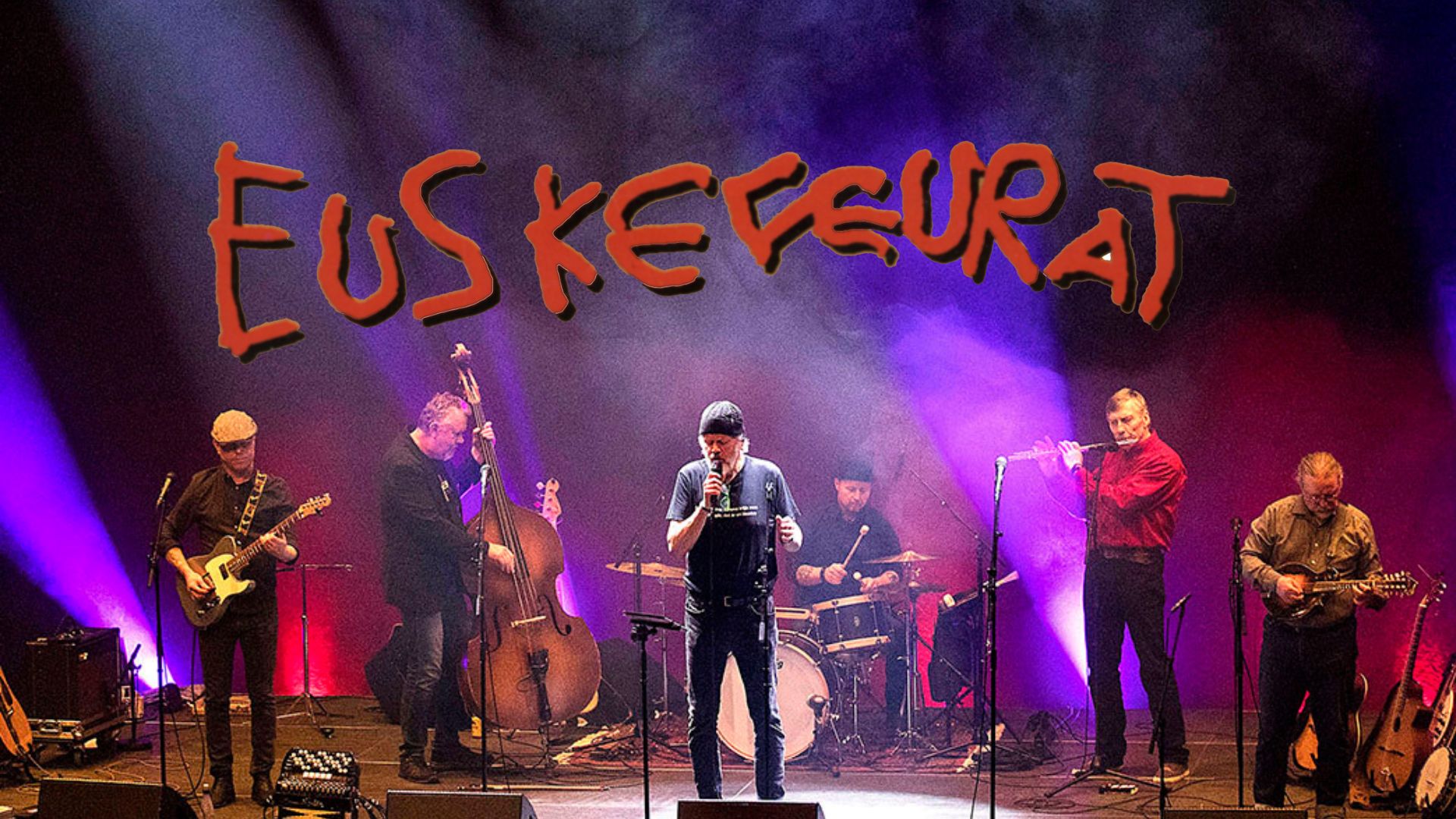
Euskefeurat to Boden – Book a hotel package at a great price

On February 20 & 21 at 7 p.m., Euskefeurat will visit Boden. Make your visit to Boden more comfortable –...

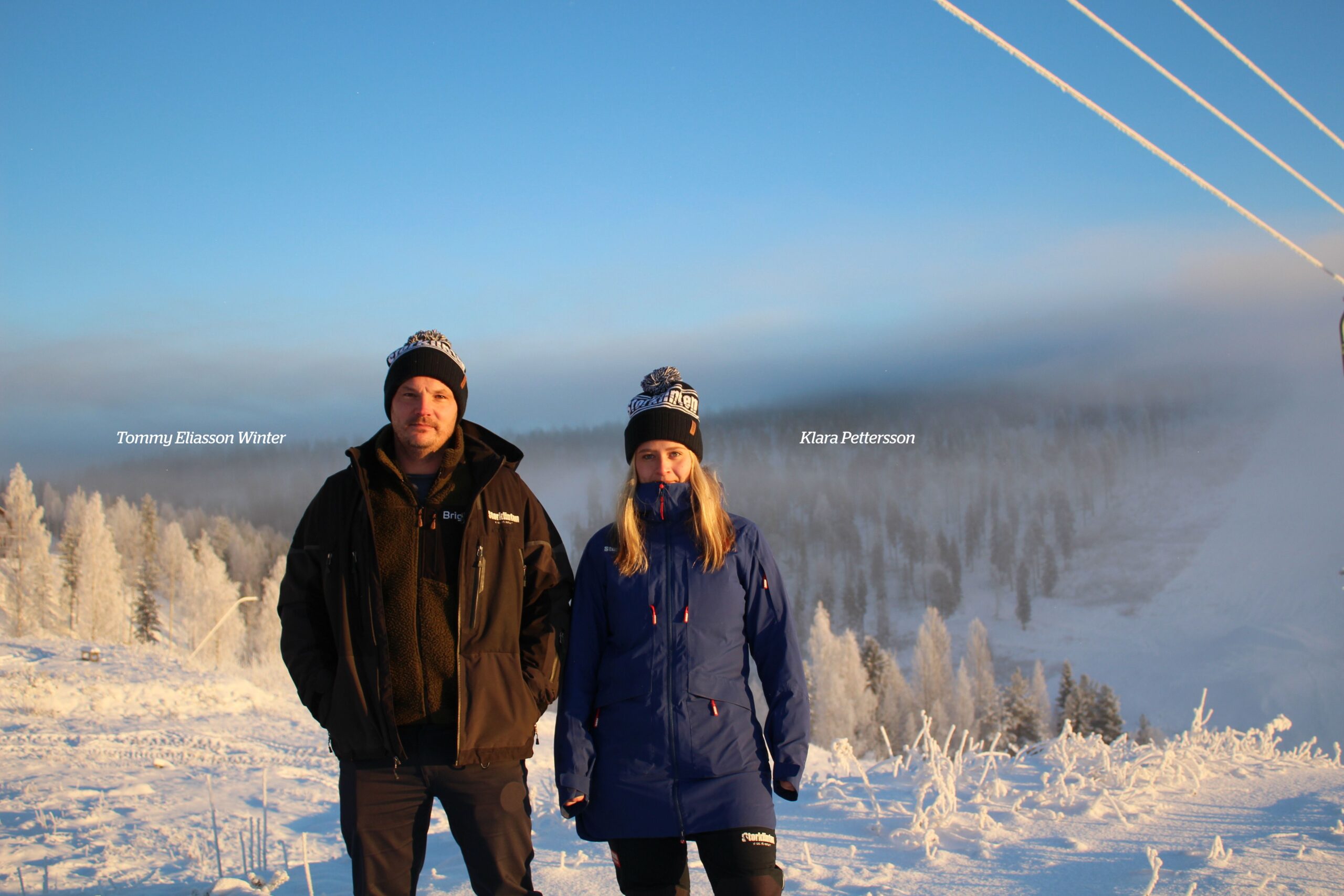
Storklinten gears up for a busy month

There is no shortage of activities in Storklinten Storklinten has a busy time ahead with...

Therefore, things like littering, destroying nature and long-term tent camps are violations of the right of public access.

Under the right of public access, you can go almost anywhere in nature, but not too close to houses. You may also spend one or two nights on someone else's land, pick flowers, berries and mushrooms as long as they are not protected, and swim, boat and paddle in waterways.

However, you are not allowed to pass over plots of land, gardens, plantations or fields with growing crops. You are also not allowed to drive motorized vehicles in the countryside, damage trees or bushes, or harm animals.

An important part of the right of public access is to always take all rubbish from the place you have visited. Litter destroys nature and risks making animals sick if they eat it. Rubbish is also boring to look at. If you find any, feel free to take other people's litter with you. Together we can ensure that the right of public access continues to function as it was intended.

The right of public access - what does it mean?

Friluftsfrämjandet protects the right of public access to preserve outdoor environments and make outdoor life possible for everyone. But why does the right of public access exist and what does it mean?

What is the right of public access?

Allemansrätten is a crucial prerequisite for outdoor recreation in Sweden. It allows us to hike, paddle and camp almost anywhere we want. Around 80% of the land in Sweden is owned by private individuals and companies, but thanks to the right of public access, we can move around on private land and roads. How amazing is that?

However, the right of public access is not only a right but also an obligation. When we spend time in nature, it is important to show consideration for nature, wildlife, landowners and other visitors.

The rules of the right of public access

The right of public access is included in the Constitution, but is technically not a law. However, it is surrounded by laws that set limits on what is allowed. The basic rule is not to disturb or destroy.

The right of public access - what does it mean?

Friluftsfrämjandet protects the right of public access to preserve outdoor environments and make outdoor life possible for everyone. But why does the right of public access exist and what does it mean?

What is the right of public access?

Allemansrätten is a crucial prerequisite for outdoor recreation in Sweden. It allows us to hike, paddle and camp almost anywhere we want. Around 80% of the land in Sweden is owned by private individuals and companies, but thanks to the right of public access, we can move around on private land and roads. How amazing is that?

However, the right of public access is not only a right but also an obligation. When we spend time in nature, it is important to show consideration for nature, wildlife, landowners and other visitors.

The rules of the right of public access

The right of public access is included in the Constitution, but is technically not a law. However, it is surrounded by laws that set limits on what is allowed. The basic rule is not to disturb or destroy.

Therefore, things like littering, destroying nature and long-term tent camps are violations of the right of public access.

Under the right of public access, you can go almost anywhere in nature, but not too close to houses. You may also spend one or two nights on someone else's land, pick flowers, berries and mushrooms as long as they are not protected, and swim, boat and paddle in waterways.

However, you are not allowed to pass over plots of land, gardens, plantations or fields with growing crops. You are also not allowed to drive motorized vehicles in the countryside, damage trees or bushes, or harm animals.

An important part of the right of public access is to always take all rubbish from the place you have visited. Litter destroys nature and risks making animals sick if they eat it. Rubbish is also boring to look at. If you find any, feel free to take other people's litter with you. Together we can ensure that the right of public access continues to function as it was intended.