
Visit Boden

Peetgården

[cbxwpbookmarkbtn]

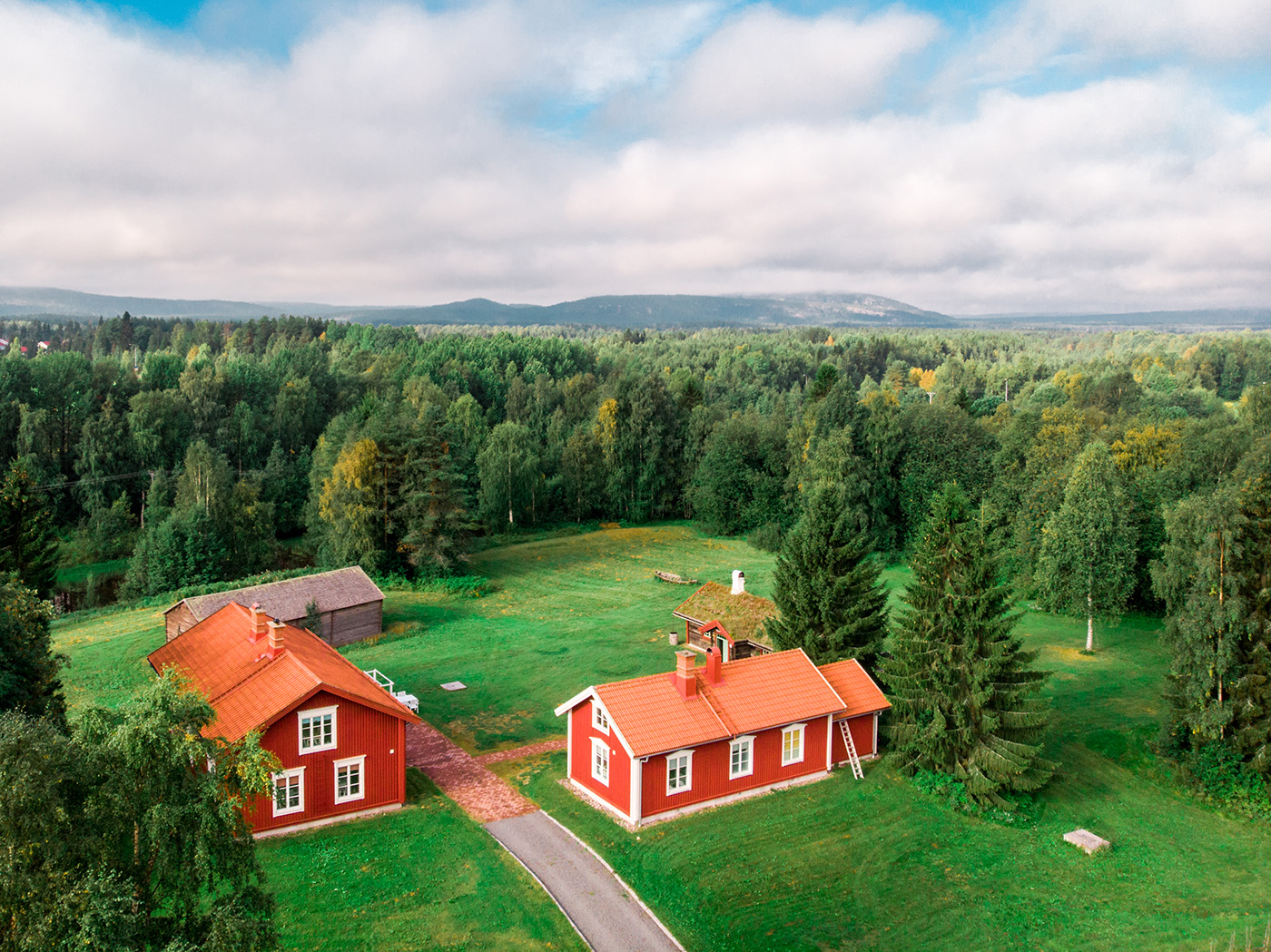
Peetgården is a uniquely preserved 17th century farm in Sävast, Boden. A vibrant meeting place for people, companies, creators and entrepreneurs. Book the farm for a company or private party, or take part in one of our open experiences. 

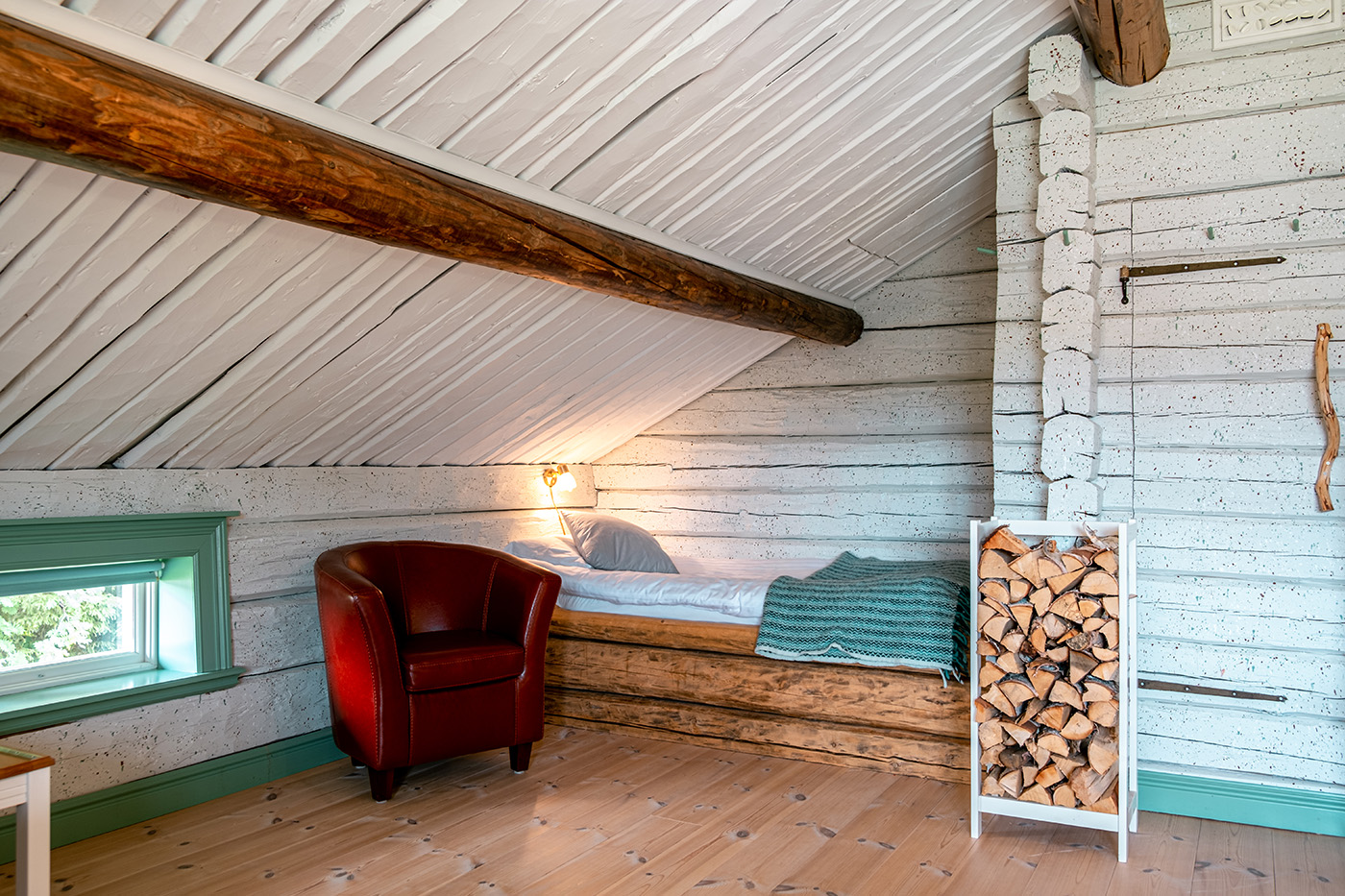
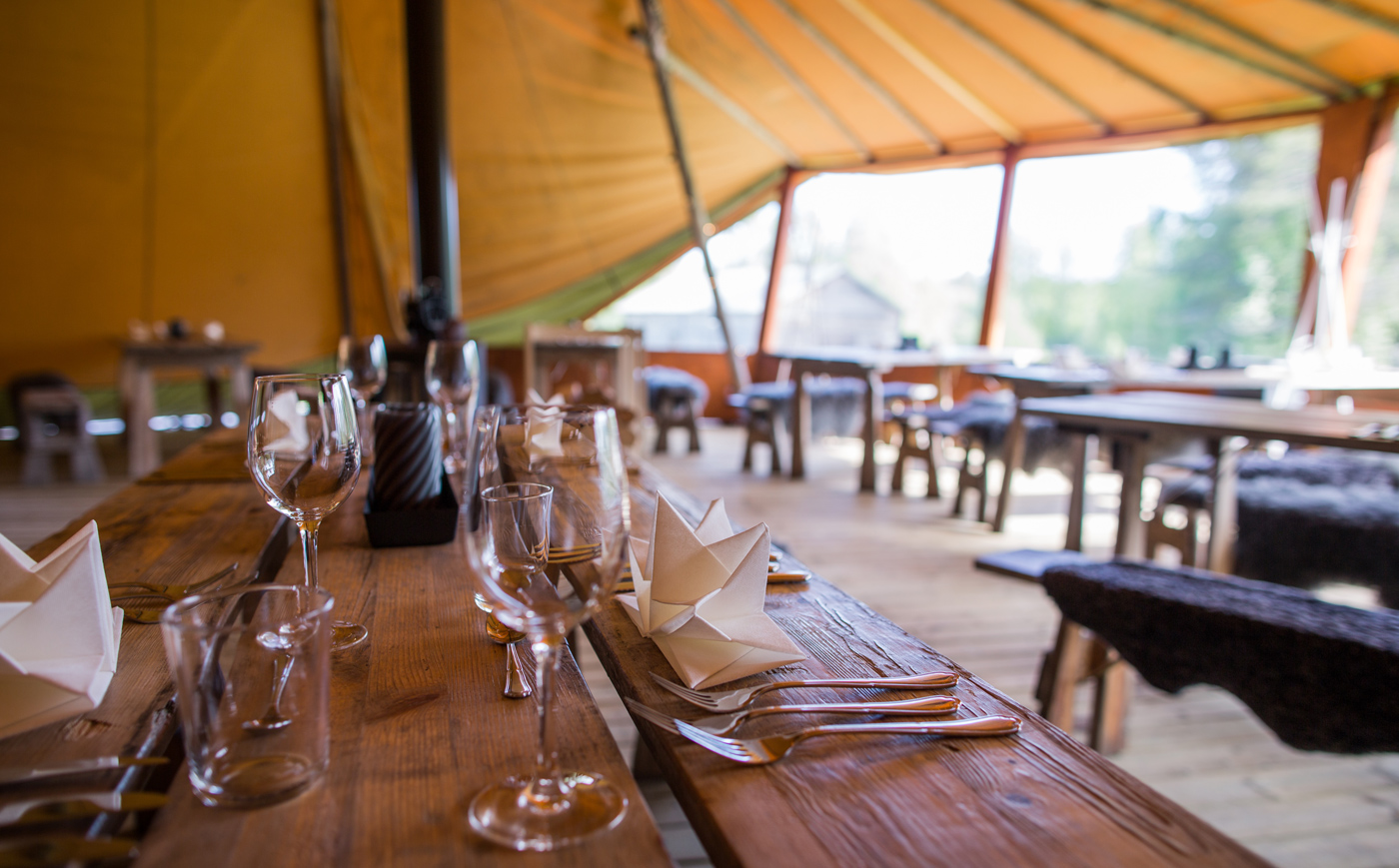
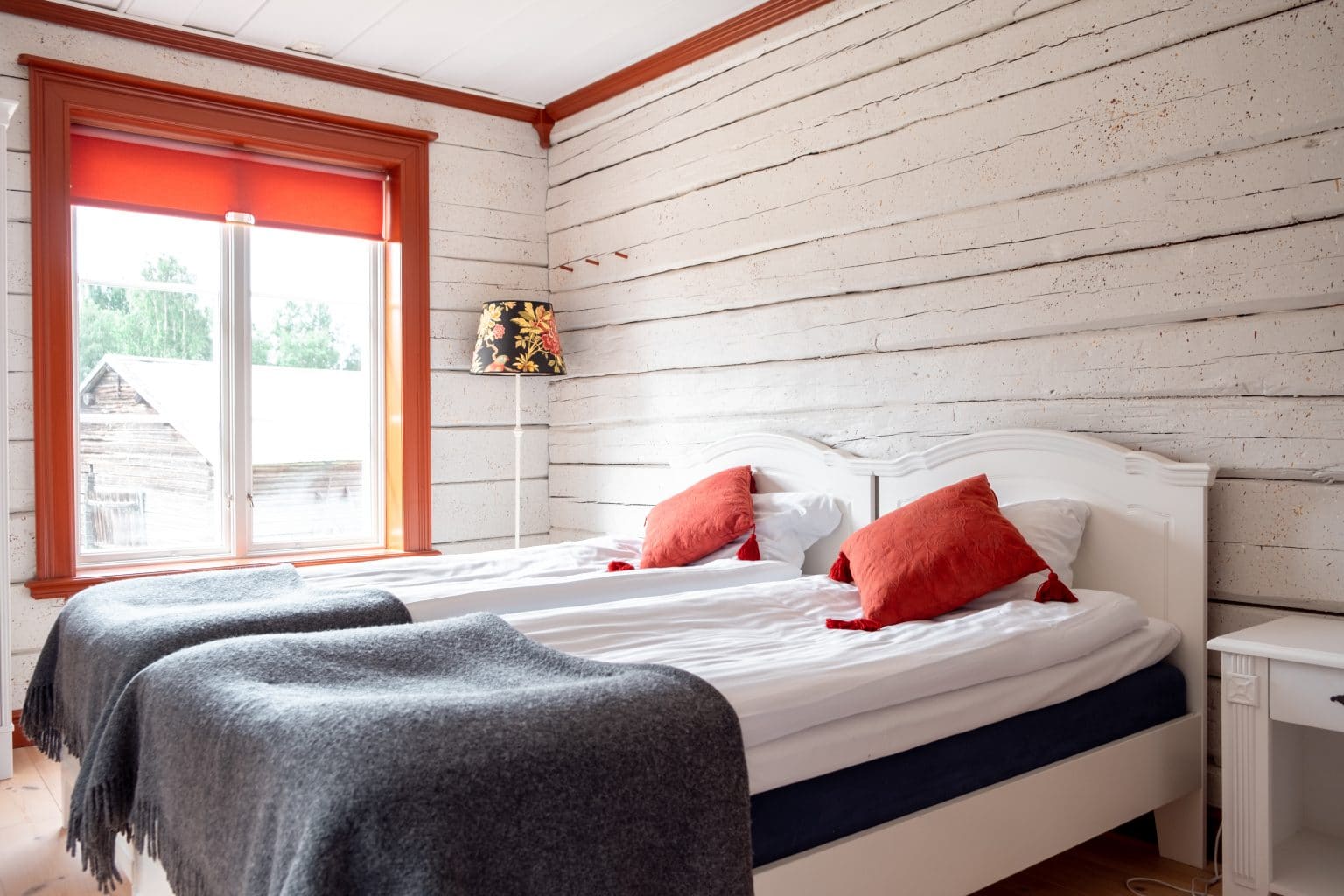
Welcome to a secluded meeting place with carefully prepared food, customized experiences and the beautiful nature around the corner. Here are perfect conditions for companies, a management group or a private party that appreciates an authentic historical environment. For day trips, events and overnight stays.

With its secluded location between Luleå and Boden, Peetgården is only 20 minutes from large parts of Norrbotten's business community. The distance to Luleå Airport is 30 minutes.

PEETGÅRDEN
Svampvägen 2
961 48 Boden

Eva Liljeholm (event, conference) - 070 109 8167
Rebecka Larsson (booking) - 072 163 1758
info@peetgarden.com
More information


Save for the planner
Please login to bookmark Close

Therefore, things like littering, destroying nature and long-term tent camps are violations of the right of public access.

Under the right of public access, you can go almost anywhere in nature, but not too close to houses. You may also spend one or two nights on someone else's land, pick flowers, berries and mushrooms as long as they are not protected, and swim, boat and paddle in waterways.

However, you are not allowed to pass over plots of land, gardens, plantations or fields with growing crops. You are also not allowed to drive motorized vehicles in the countryside, damage trees or bushes, or harm animals.

An important part of the right of public access is to always take all rubbish from the place you have visited. Litter destroys nature and risks making animals sick if they eat it. Rubbish is also boring to look at. If you find any, feel free to take other people's litter with you. Together we can ensure that the right of public access continues to function as it was intended.

The right of public access - what does it mean?

Friluftsfrämjandet protects the right of public access to preserve outdoor environments and make outdoor life possible for everyone. But why does the right of public access exist and what does it mean?

What is the right of public access?

Allemansrätten is a crucial prerequisite for outdoor recreation in Sweden. It allows us to hike, paddle and camp almost anywhere we want. Around 80% of the land in Sweden is owned by private individuals and companies, but thanks to the right of public access, we can move around on private land and roads. How amazing is that?

However, the right of public access is not only a right but also an obligation. When we spend time in nature, it is important to show consideration for nature, wildlife, landowners and other visitors.

The rules of the right of public access

The right of public access is included in the Constitution, but is technically not a law. However, it is surrounded by laws that set limits on what is allowed. The basic rule is not to disturb or destroy.

The right of public access - what does it mean?

Friluftsfrämjandet protects the right of public access to preserve outdoor environments and make outdoor life possible for everyone. But why does the right of public access exist and what does it mean?

What is the right of public access?

Allemansrätten is a crucial prerequisite for outdoor recreation in Sweden. It allows us to hike, paddle and camp almost anywhere we want. Around 80% of the land in Sweden is owned by private individuals and companies, but thanks to the right of public access, we can move around on private land and roads. How amazing is that?

However, the right of public access is not only a right but also an obligation. When we spend time in nature, it is important to show consideration for nature, wildlife, landowners and other visitors.

The rules of the right of public access

The right of public access is included in the Constitution, but is technically not a law. However, it is surrounded by laws that set limits on what is allowed. The basic rule is not to disturb or destroy.

Therefore, things like littering, destroying nature and long-term tent camps are violations of the right of public access.

Under the right of public access, you can go almost anywhere in nature, but not too close to houses. You may also spend one or two nights on someone else's land, pick flowers, berries and mushrooms as long as they are not protected, and swim, boat and paddle in waterways.

However, you are not allowed to pass over plots of land, gardens, plantations or fields with growing crops. You are also not allowed to drive motorized vehicles in the countryside, damage trees or bushes, or harm animals.

An important part of the right of public access is to always take all rubbish from the place you have visited. Litter destroys nature and risks making animals sick if they eat it. Rubbish is also boring to look at. If you find any, feel free to take other people's litter with you. Together we can ensure that the right of public access continues to function as it was intended.