
Visit Boden

Blacksmith Brinna

[cbxwpbookmarkbtn]

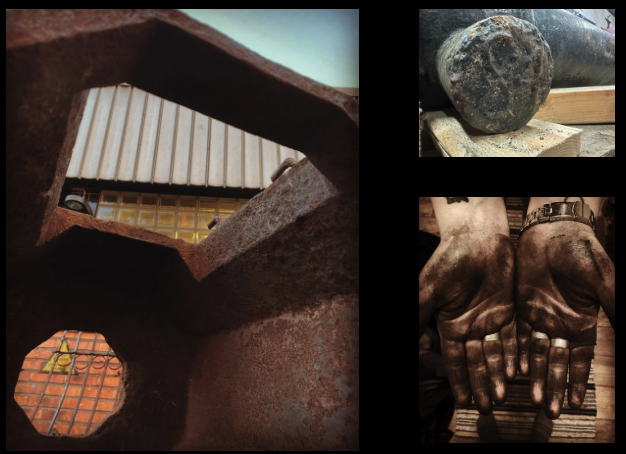
According to legend, blacksmiths are a mythical people. Over thousands of years, they have mastered the art of blacksmithing.

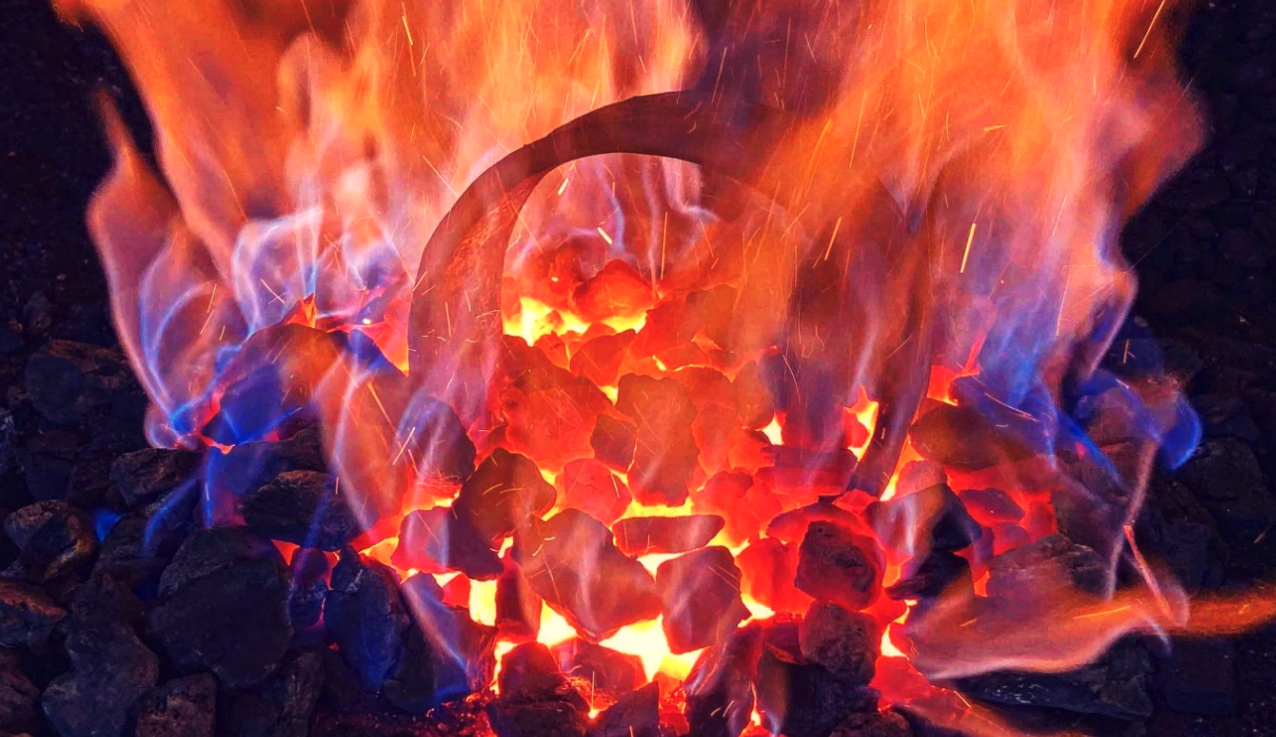
They have tamed the four elements and learned to harness the forces of nature at will in a rarely seen interplay. They have made water drive the bellows, wind has given life to the hearths, and from the earth they have conjured iron.

Through fire, they have made iron take on countless forms in a way that can best be described as magical.

Throughout history, this ability has given them an almost mythological status, which has faded over time. But there are enthusiasts who are passionate about preserving this legendary knowledge.
Brinna was born out of this passion! Brinna has a burning passion for preserving the wisdom of the past and bringing it into the future.

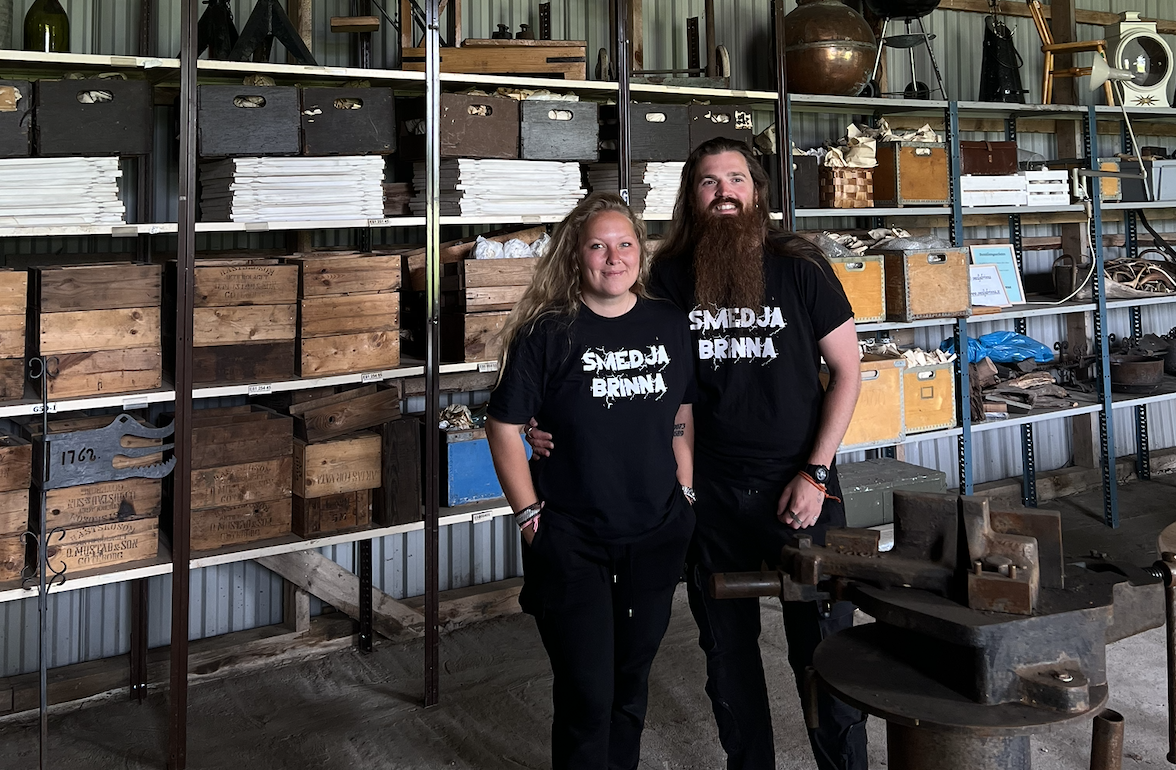
Our names are Adam & Emilia, and we are a couple with a burning passion for craftsmanship. We are united by a dream of creating. We are history lovers with a conviction that understanding our heritage is the path to the future. We are craftspeople who want to create here and now. We are individuals with a passion for telling stories and conveying emotions. 

Blacksmiths who weave all of the above into a personal business. 

In addition to artistic metalwork, utility metalwork, and restoration, we offer:

  • Courses
  • Try your hand at blacksmithing
  • Event
  • Lecture
  • Study visits

Blacksmith Brinna

Sörbyn 808

961 97 Gunnarsbyn

More information

070-2615312

 Photo: Fredrik Broman
Save for the planner
Please login to bookmark Close

Therefore, things like littering, destroying nature and long-term tent camps are violations of the right of public access.

Under the right of public access, you can go almost anywhere in nature, but not too close to houses. You may also spend one or two nights on someone else's land, pick flowers, berries and mushrooms as long as they are not protected, and swim, boat and paddle in waterways.

However, you are not allowed to pass over plots of land, gardens, plantations or fields with growing crops. You are also not allowed to drive motorized vehicles in the countryside, damage trees or bushes, or harm animals.

An important part of the right of public access is to always take all rubbish from the place you have visited. Litter destroys nature and risks making animals sick if they eat it. Rubbish is also boring to look at. If you find any, feel free to take other people's litter with you. Together we can ensure that the right of public access continues to function as it was intended.

The right of public access - what does it mean?

Friluftsfrämjandet protects the right of public access to preserve outdoor environments and make outdoor life possible for everyone. But why does the right of public access exist and what does it mean?

What is the right of public access?

Allemansrätten is a crucial prerequisite for outdoor recreation in Sweden. It allows us to hike, paddle and camp almost anywhere we want. Around 80% of the land in Sweden is owned by private individuals and companies, but thanks to the right of public access, we can move around on private land and roads. How amazing is that?

However, the right of public access is not only a right but also an obligation. When we spend time in nature, it is important to show consideration for nature, wildlife, landowners and other visitors.

The rules of the right of public access

The right of public access is included in the Constitution, but is technically not a law. However, it is surrounded by laws that set limits on what is allowed. The basic rule is not to disturb or destroy.

The right of public access - what does it mean?

Friluftsfrämjandet protects the right of public access to preserve outdoor environments and make outdoor life possible for everyone. But why does the right of public access exist and what does it mean?

What is the right of public access?

Allemansrätten is a crucial prerequisite for outdoor recreation in Sweden. It allows us to hike, paddle and camp almost anywhere we want. Around 80% of the land in Sweden is owned by private individuals and companies, but thanks to the right of public access, we can move around on private land and roads. How amazing is that?

However, the right of public access is not only a right but also an obligation. When we spend time in nature, it is important to show consideration for nature, wildlife, landowners and other visitors.

The rules of the right of public access

The right of public access is included in the Constitution, but is technically not a law. However, it is surrounded by laws that set limits on what is allowed. The basic rule is not to disturb or destroy.

Therefore, things like littering, destroying nature and long-term tent camps are violations of the right of public access.

Under the right of public access, you can go almost anywhere in nature, but not too close to houses. You may also spend one or two nights on someone else's land, pick flowers, berries and mushrooms as long as they are not protected, and swim, boat and paddle in waterways.

However, you are not allowed to pass over plots of land, gardens, plantations or fields with growing crops. You are also not allowed to drive motorized vehicles in the countryside, damage trees or bushes, or harm animals.

An important part of the right of public access is to always take all rubbish from the place you have visited. Litter destroys nature and risks making animals sick if they eat it. Rubbish is also boring to look at. If you find any, feel free to take other people's litter with you. Together we can ensure that the right of public access continues to function as it was intended.