
Visit Boden

Villa Äng - new housing concept in Harads

Save to planner(0)
Please login to bookmark Close

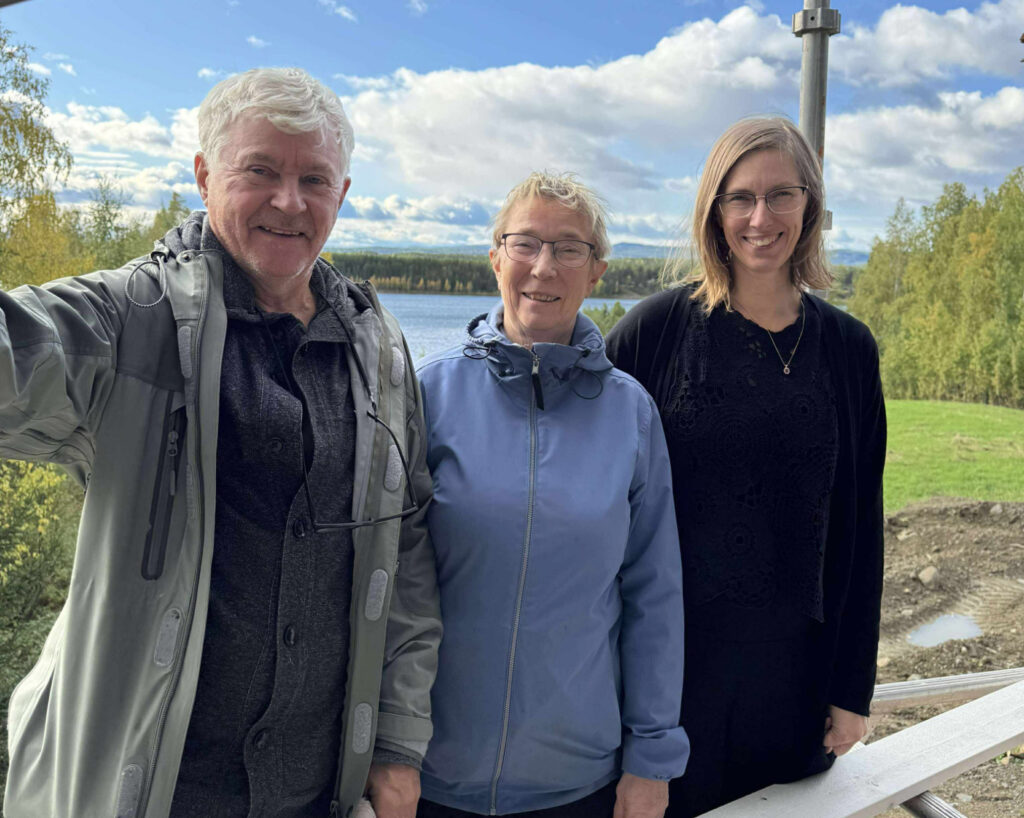
We went up to Harads to meet two of the founders behind Villa Äng, Jenny Isaksson and Kent Lindvall, to hear more about their new project. Jenny is the daughter of Britta and Kent, who previously started and ran TreeHotel, so this is not their first rodeo - so to speak. For Jenny, however, it is the first step into the hospitality industry, and also a return home; she has returned to Harads after living in Gothenburg, to invest in this particular project.
cb ed c df ccad copy
Kent Lindvall, Britta Jonsson Lindvall & Jenny Isaksson
bcac ca c be bbe

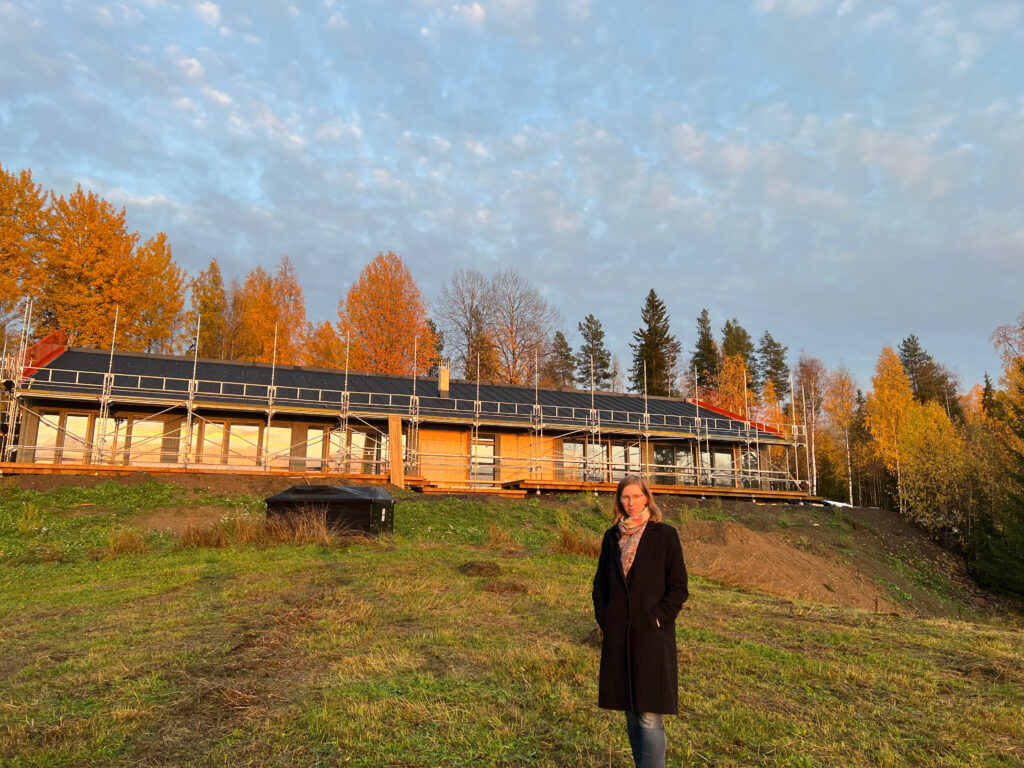
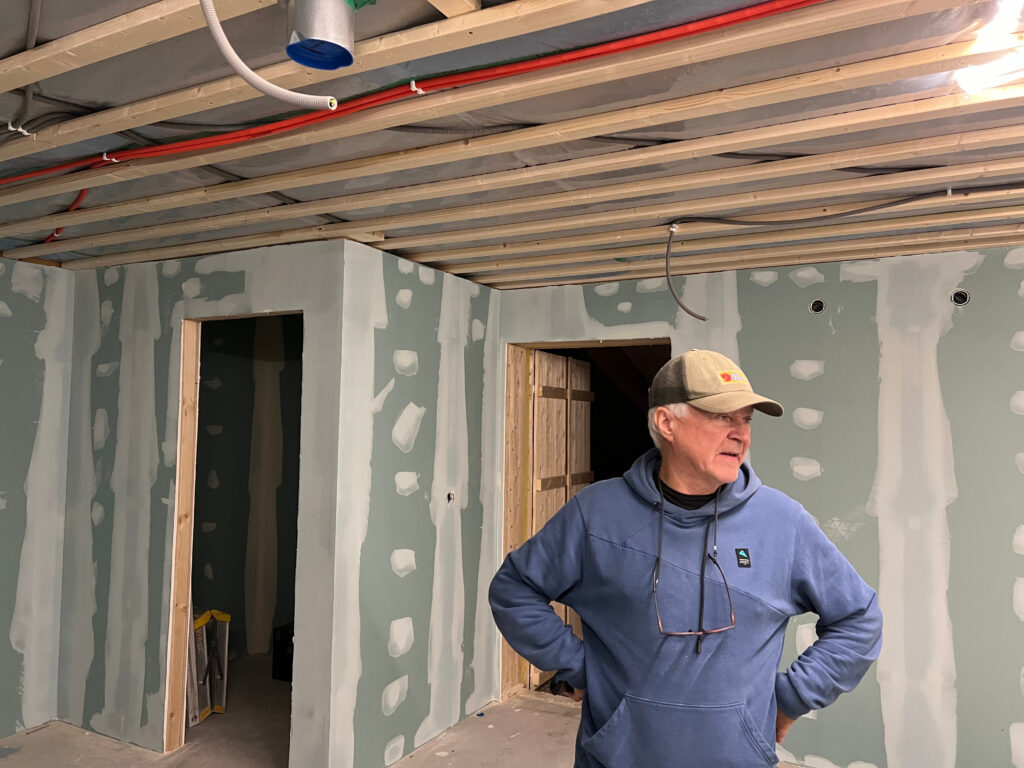
We from Boden Turism got a tour of the construction of Villa Äng.

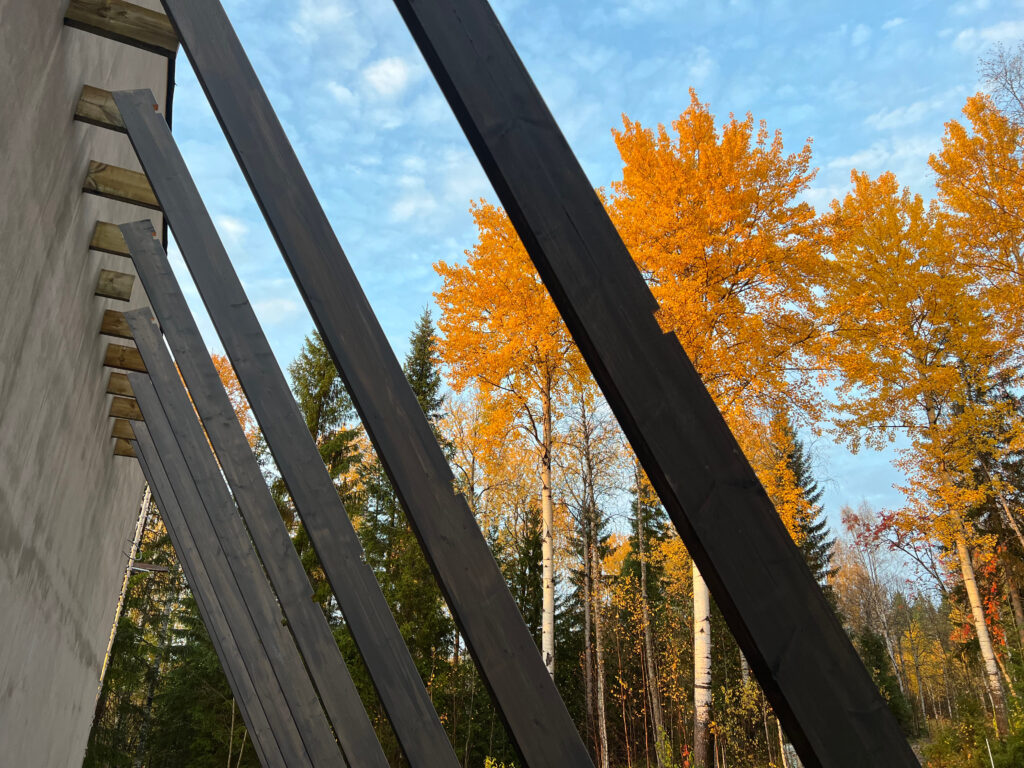
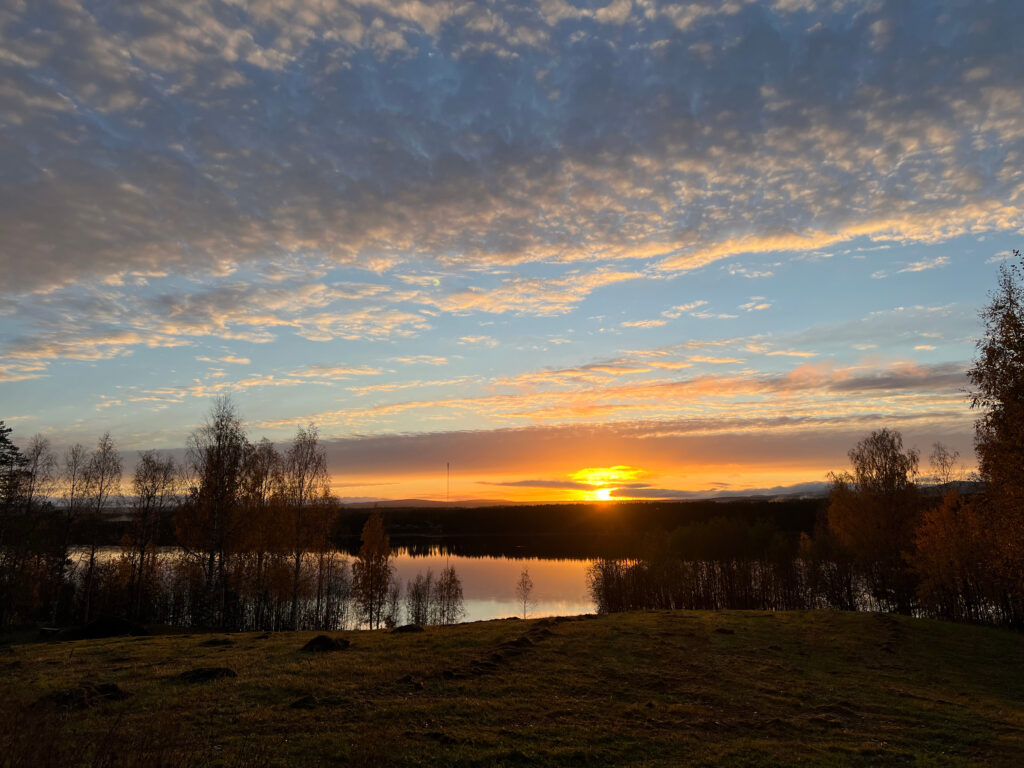
"My God, how big it was. A big house with a magical view of the river and a big, beautiful meadow. We won't even talk about the height of the ceilings in the house - wow. The planned entrance to the villa is also something out of the ordinary." says Alvina, Boden Tourism

What was the inspiration behind the idea?

Britta & Kent sold the TreeHotel a few years ago and bought a plot of land just outside the village. The idea was that they would move there, the sellers also had a desire that the site would be used for some kind of business.

"I've been wanting to do something of my own for a few years, but had no concrete ideas. When I talked to my mom and dad about the possibility of creating this concept, we decided to explore the idea further." Says Jenny

"This time we did a market survey, something we did not do when we started TreeHotel. The results confirmed that there was a demand for a private and exclusive villa." Says Kent

They started applying in January and got the partners they wanted. By May, everything was ready to launch the project.

"We started working with the architect Mats Öhman from Luleå, who designed the villa and worked on the interior in collaboration with Tegboms. For the construction, we contacted Vittjärvhus, which was commissioned and delivered on schedule. It was an obvious choice because Britta and Kent previously worked with them during the TreeHotel project, with some odd solutions. The villa will have a living area of 400 square meters when it is finished." Jenny tells us
ed aec b fc


db ed adf bfce

The business concept

Villa Äng is a private villa for one party at a time - families, intergenerational families, conferences for management groups and weddings. The focus is on design, architecture and unique experiences. Each room has its own decor and theme, inspired by the dualism between science and mysticism, linked to the meadow and nature in the surroundings.

"We use natural materials and plants. The site is located on an old meadow from the 17th century, and we want to restore the meadow and link it to the story of Carl Linnaeus." - Says Kent.

Peak season is December-March, but the villa will be open all year round, and during October-November a good target group could be conferences.

Guests and services

Villa Äng is internationally oriented and offers a private chef, 24-hour host, driver and a very high level of hospitality. The family is personally involved, and the quality of food, drink and products is prioritized. Everything is tailor-made and personalized to the guests.

During the high season, sales are mainly to companies (B2B). Conference facilities are available for those companies that wish.

"The fact that we can do this is based on Britta and Kent's experience, contacts and the recipe for success that it is the people behind the business that make the difference." says Jenny.
abbb b e f ebca

Timetable

The villa should be ready for guests on December 21. The inauguration is planned on December 19 by Britta, and on December 20 it will be open to the press.

"Mom and Dad have promised to help - they live next door, so it's hard to avoid! I said they'd have to be on their toes for at least five years to help me establish this, and they've promised." Jenny says and laughs.

Visit https://www.villaang.se

Photo & text: Alvina Pettersson
 

Save for the planner
Please login to bookmark Close

Related content

Boden Tourism Day 2026

Are you already a tourism entrepreneur, curious about becoming one, or interested in developing partnerships with...

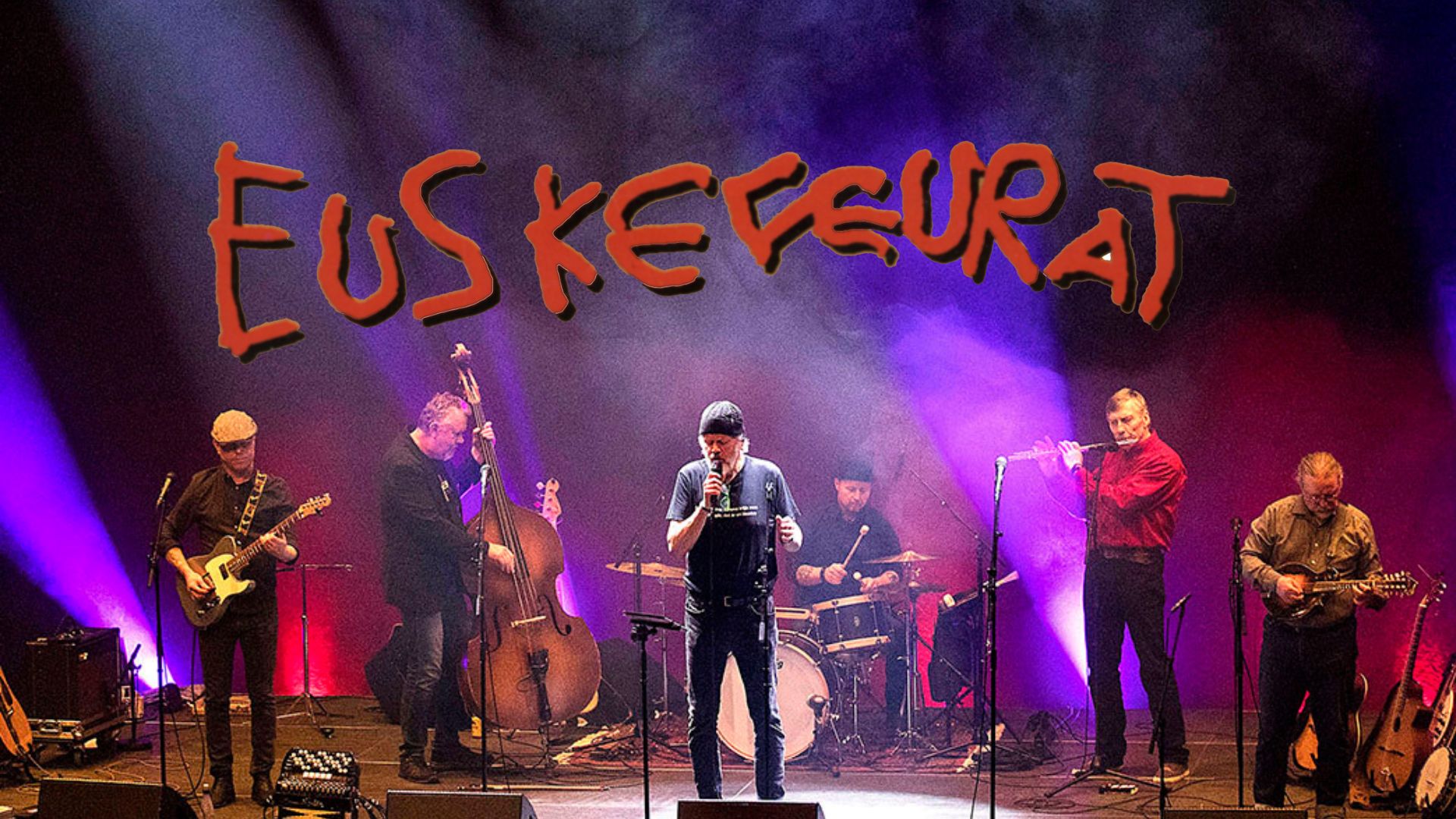
Euskefeurat to Boden – Book a hotel package at a great price

On February 20 & 21 at 7 p.m., Euskefeurat will visit Boden. Make your visit to Boden more comfortable –...

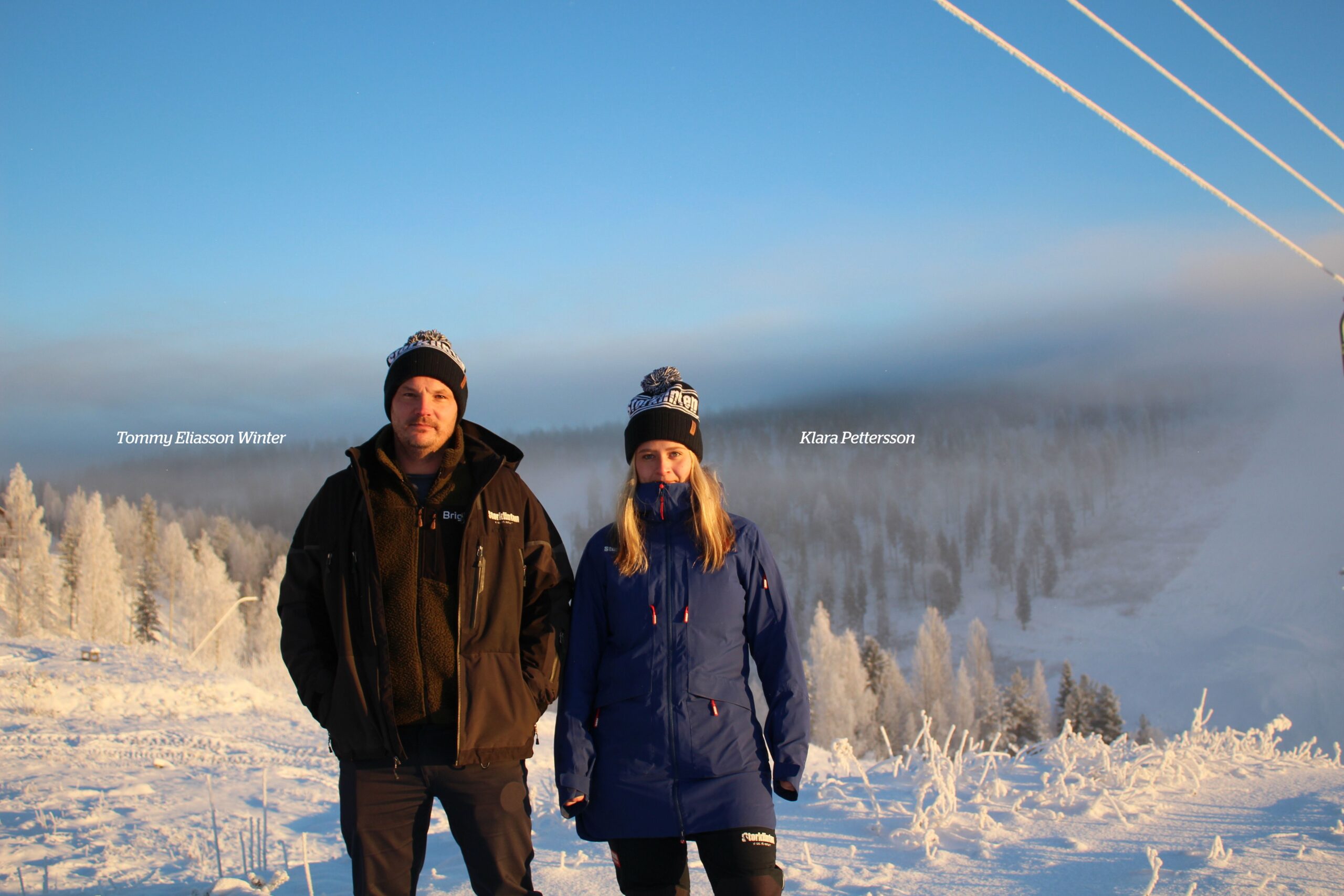
Storklinten gears up for a busy month

There is no shortage of activities in Storklinten Storklinten has a busy time ahead with...

Therefore, things like littering, destroying nature and long-term tent camps are violations of the right of public access.

Under the right of public access, you can go almost anywhere in nature, but not too close to houses. You may also spend one or two nights on someone else's land, pick flowers, berries and mushrooms as long as they are not protected, and swim, boat and paddle in waterways.

However, you are not allowed to pass over plots of land, gardens, plantations or fields with growing crops. You are also not allowed to drive motorized vehicles in the countryside, damage trees or bushes, or harm animals.

An important part of the right of public access is to always take all rubbish from the place you have visited. Litter destroys nature and risks making animals sick if they eat it. Rubbish is also boring to look at. If you find any, feel free to take other people's litter with you. Together we can ensure that the right of public access continues to function as it was intended.

The right of public access - what does it mean?

Friluftsfrämjandet protects the right of public access to preserve outdoor environments and make outdoor life possible for everyone. But why does the right of public access exist and what does it mean?

What is the right of public access?

Allemansrätten is a crucial prerequisite for outdoor recreation in Sweden. It allows us to hike, paddle and camp almost anywhere we want. Around 80% of the land in Sweden is owned by private individuals and companies, but thanks to the right of public access, we can move around on private land and roads. How amazing is that?

However, the right of public access is not only a right but also an obligation. When we spend time in nature, it is important to show consideration for nature, wildlife, landowners and other visitors.

The rules of the right of public access

The right of public access is included in the Constitution, but is technically not a law. However, it is surrounded by laws that set limits on what is allowed. The basic rule is not to disturb or destroy.

The right of public access - what does it mean?

Friluftsfrämjandet protects the right of public access to preserve outdoor environments and make outdoor life possible for everyone. But why does the right of public access exist and what does it mean?

What is the right of public access?

Allemansrätten is a crucial prerequisite for outdoor recreation in Sweden. It allows us to hike, paddle and camp almost anywhere we want. Around 80% of the land in Sweden is owned by private individuals and companies, but thanks to the right of public access, we can move around on private land and roads. How amazing is that?

However, the right of public access is not only a right but also an obligation. When we spend time in nature, it is important to show consideration for nature, wildlife, landowners and other visitors.

The rules of the right of public access

The right of public access is included in the Constitution, but is technically not a law. However, it is surrounded by laws that set limits on what is allowed. The basic rule is not to disturb or destroy.

Therefore, things like littering, destroying nature and long-term tent camps are violations of the right of public access.

Under the right of public access, you can go almost anywhere in nature, but not too close to houses. You may also spend one or two nights on someone else's land, pick flowers, berries and mushrooms as long as they are not protected, and swim, boat and paddle in waterways.

However, you are not allowed to pass over plots of land, gardens, plantations or fields with growing crops. You are also not allowed to drive motorized vehicles in the countryside, damage trees or bushes, or harm animals.

An important part of the right of public access is to always take all rubbish from the place you have visited. Litter destroys nature and risks making animals sick if they eat it. Rubbish is also boring to look at. If you find any, feel free to take other people's litter with you. Together we can ensure that the right of public access continues to function as it was intended.